What Sets Flooring and Tiles Apart
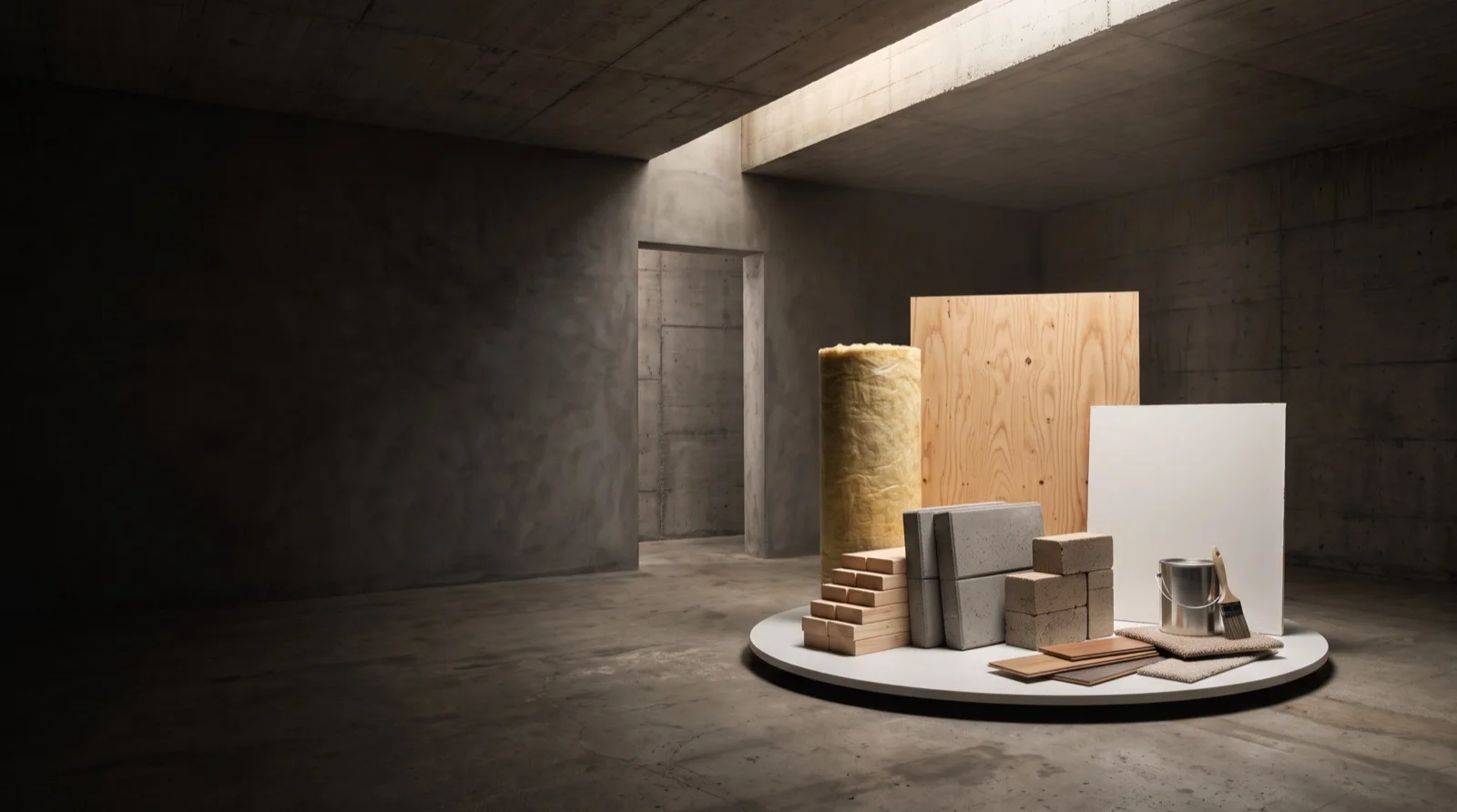
Flooring and tiles are sold by the box or the roll, but buyers choose them from a sample: a plank, a tile, a swatch of carpet. The photography has to show the surface faithfully, including color, grain, gloss, and texture, and it has to give an honest impression of how the material looks laid over a whole floor. That means two kinds of images: close, accurate samples and wider laid areas.
The Common Baseline
Preparation
Pick representative samples, because natural wood, stone, and marble vary from piece to piece. Clean dust from surfaces and edges, and lay several planks or tiles together to show the pattern repeat and the joints. For carpet and mats, brush the pile in one direction and flatten rolled samples before the shot.
Light
Glossy tiles and lacquered planks reflect the light source: use large soft lights at an angle that shows the gloss without a hot spot. Matte wood, cork, and carpet need a low side light so grain, texture, and pile read.
Keep the camera square to the surface for top-down views to avoid keystone distortion, and use the same white balance for a whole collection so colors compare fairly.
Shots
Plan a top-down view of a laid area with the camera square to the surface, close-ups of grain, texture, edges, and joints, a group arrangement of samples, and an in-use or context shot of a finished room. Show the box or the roll label for the product information.
How the Groups Differ
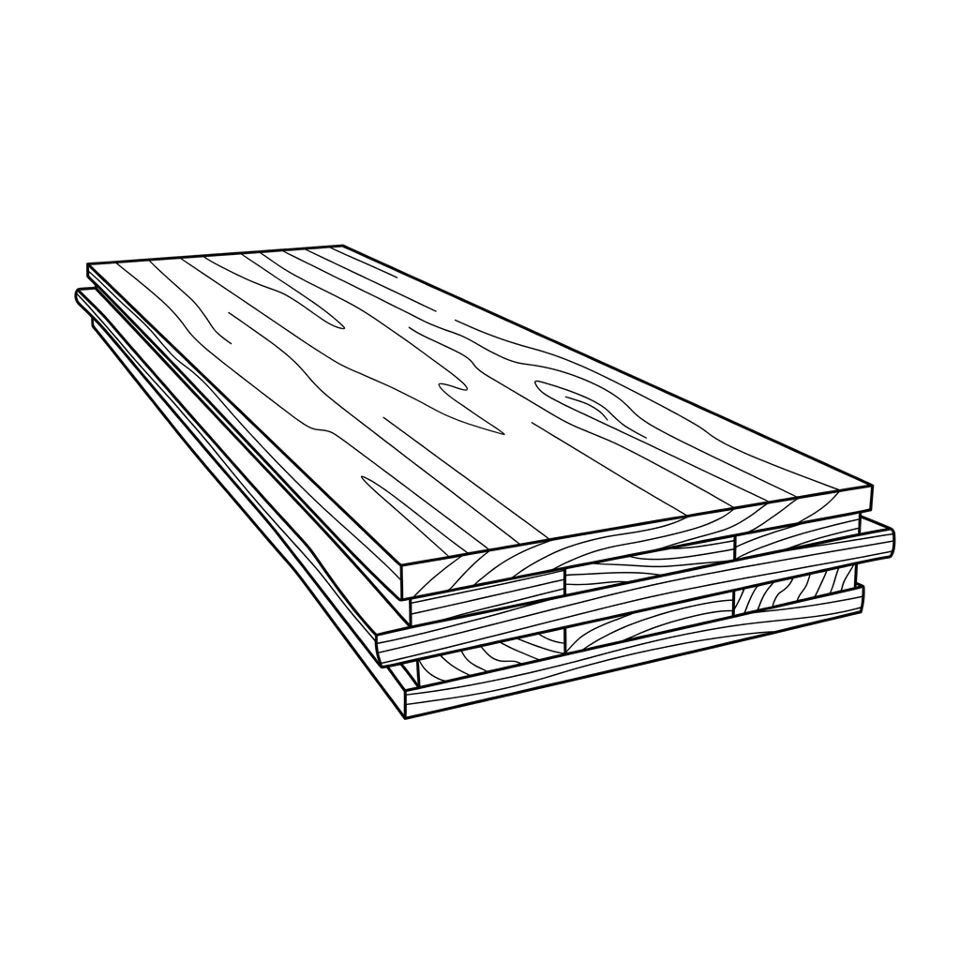
The three groups differ in surface and handling: wood and resilient planks are long and satin, tiles are heavy, fragile, and often glossy, and carpet is soft and textured.
Across the 3 groups in our data, the typical longest side runs from 5 cm to 1.5 m, and weights from 0.5 kg to 20 kg. Surfaces by number of groups: satin (1), gloss (1), matte (1). The handling notes that recur most are lies flat (3 of 3) and long (2 of 3).
| Group | Typical size | Weight | Surface | Handling | Best-fit machines |
|---|---|---|---|---|---|
| Wood, laminate and resilient flooring | 30 cm to 1.5 m | 0.5 kg to 20 kg | satin | long, lies flat, stackable | C1300, CL1300, FRAME, Turning Platform |
| Ceramic and stone tiles | 5 cm to 80 cm | 0.5 kg to 20 kg | gloss | lies flat, lifting help, fragile | CUBE COMPACT, CASE 850, C850, CL850, CUBE |
| Carpet, mats and shop textiles | 30 cm to 1.5 m | 0.5 kg to 20 kg | matte | lies flat, long | C1300, CL1300, FRAME, Turning Platform |
Which Setup for Which Product
| Product | Setup | Machines |
|---|---|---|
| Wood, laminate and resilient flooring | Several planks laid together, a top-down view from a high camera, a low side light for grain, and a close-up of the click joint. | C1300, CL1300, FRAME, Turning Platform |
| Ceramic and stone tiles | Tiles laid with joints, angled soft light for gloss, and a close-up of the edge, with heavy boxes handled with help. | CUBE COMPACT, CASE 850, C850, CL850, CUBE |
| Carpet, mats and shop textiles | Pile brushed in one direction, raking light, and a top-down swatch plus a context shot. | C1300, CL1300, FRAME, Turning Platform |
PhotoRobot Machines by Size
Tiles are the only group with recommended tabletop machines in our data; planks and carpet are rated only as possible fits, because a laid area is larger than any plate. For them, a turntable is mainly useful for single samples and boxes.
- 5 cm to 80 cm: Ceramic and stone tiles. Recommended: CUBE COMPACT, CASE 850, C850, CL850, and CUBE.
- 30 cm to 1.5 m: Wood, laminate and resilient flooring; carpet, mats and shop textiles. Recommended: C1300, CL1300, FRAME, and Turning Platform.
Limits and What to Check
- A single sample cannot show the full variation of natural wood or stone; show several pieces.
- Large laid areas do not fit a turntable; our data rates planks and carpet only as possible fits.
- Gloss and color shift with the light angle; keep one setup for the whole collection.
Next Step
Start with the largest product you plan to shoot from this guide, typically wood, laminate and resilient flooring at 30 cm to 1.5 m: enter its size in the Sharp Zone Planner to see whether it stays sharp through a full spin and which camera distance and aperture that needs.
For the light, compare FOMEI Low LED and FOMEI LED Roll Panels on the studio lighting page. Static samples suit the affordable FOMEI Low LED kit in start-stop mode, and the LED Roll Panels give even light for top-down views of laid areas.
Then send a short list of the flooring and tiles you plan to shoot, with the largest and the heaviest piece, the shots you need, and your monthly volume, to PhotoRobot sales; they confirm the machine and the lighting kit before you order.