What Sets Fresh Whole Produce Apart
Fresh whole produce is photographed against the clock. Fruit, vegetables, herbs, and mushrooms have natural, irregular shapes, skins that range from waxy and glossy to dusty and matte, and a short window before they wilt, bruise, or dry out under the lights. Buyers use these images to judge ripeness, freshness, and size, so color has to be true and the product has to look like what arrives in the box, not like a polished prop.
The Common Baseline
Preparation
Buy or pick more pieces than you need and choose the best-looking specimens just before the session; keep the rest chilled as replacements. Trim damaged leaves, brush off loose soil, and wipe waxy fruit gently without polishing it to an unnatural shine. Prepare the set with a stand-in piece, then bring the real product in for the final frames, and use food-safe surfaces and gloves for anything that will be eaten.
Light
Most produce looks best in soft, slightly directional light that shows the texture of the skin: the bloom on plums and grapes, the pores of citrus peel, the ridges of mushrooms. Glossy skins, such as tomatoes, peppers, and apples, need large soft sources so the highlight looks like a natural sheen rather than a hot spot.
Leafy greens, lettuce, and herbs are partly translucent; a little back light makes the leaves glow and look fresh, while too much front light flattens them. Keep sessions short, because produce wilts, browns, and dries under the lights.
Shots
Plan a front packshot on white, a group arrangement that shows how the produce is sold, such as a bunch, a net, or a punnet, close-ups of skin and stems, and a texture close-up for leafy greens. A 360-degree spin suits firm, round produce like apples, peppers, melons, and pineapples; soft and loose produce reads better from above.
How the Groups Differ
Twenty-seven groups fall into a few working patterns: firm round fruit that can spin, soft or loose produce that is shot from above, leafy greens that need back light, and heavy produce such as melons, pumpkins, and jackfruit that needs a sturdier plate.
Across the 27 groups in our data, the typical longest side runs from under 5 cm to 80 cm, and weights from under 0.5 kg to 40 kg. Surfaces by number of groups: matte (9), satin (8), gloss (7), mixed (3). The handling notes that recur most are food-safe (23 of 27), perishable (21 of 27), and fragile (9 of 27).
| Group | Typical size | Weight | Surface | Handling | Best-fit machines |
|---|---|---|---|---|---|
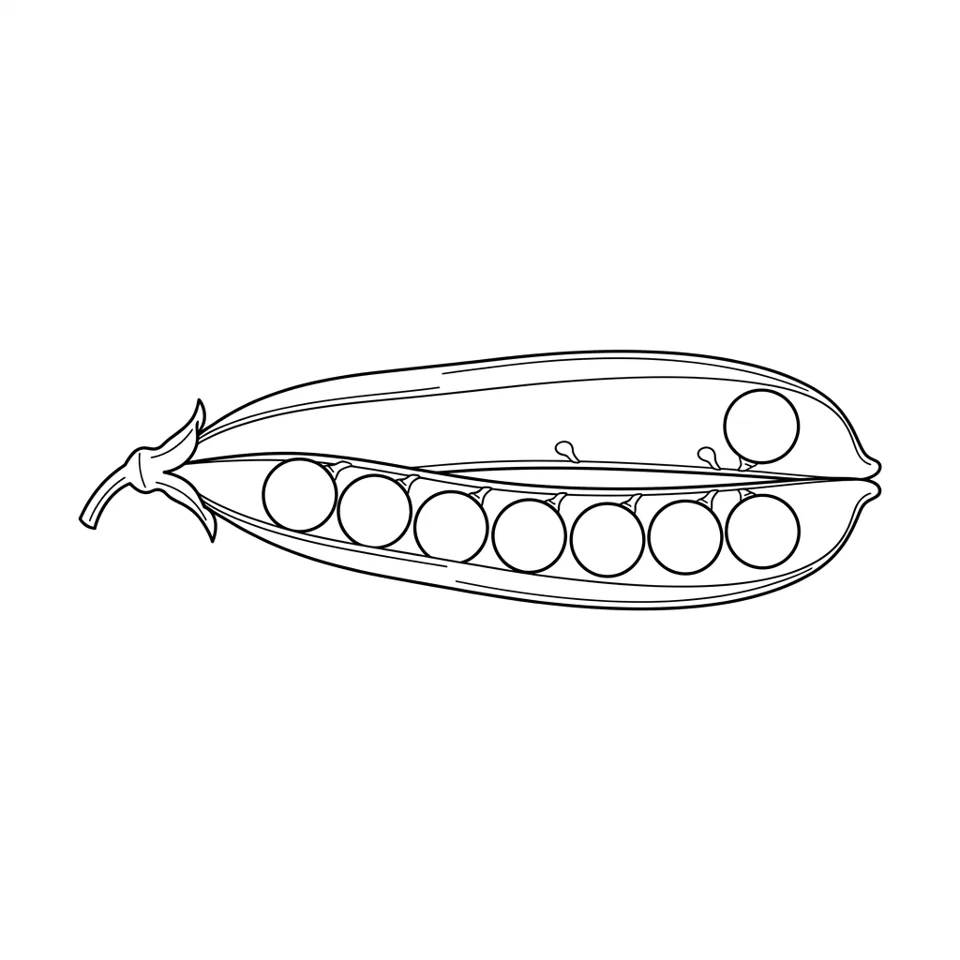
| Fresh peas and pea pods | up to 30 cm | up to 0.5 kg | satin | perishable, food-safe, loose, pourable | CASE 850, C850, CL850 |
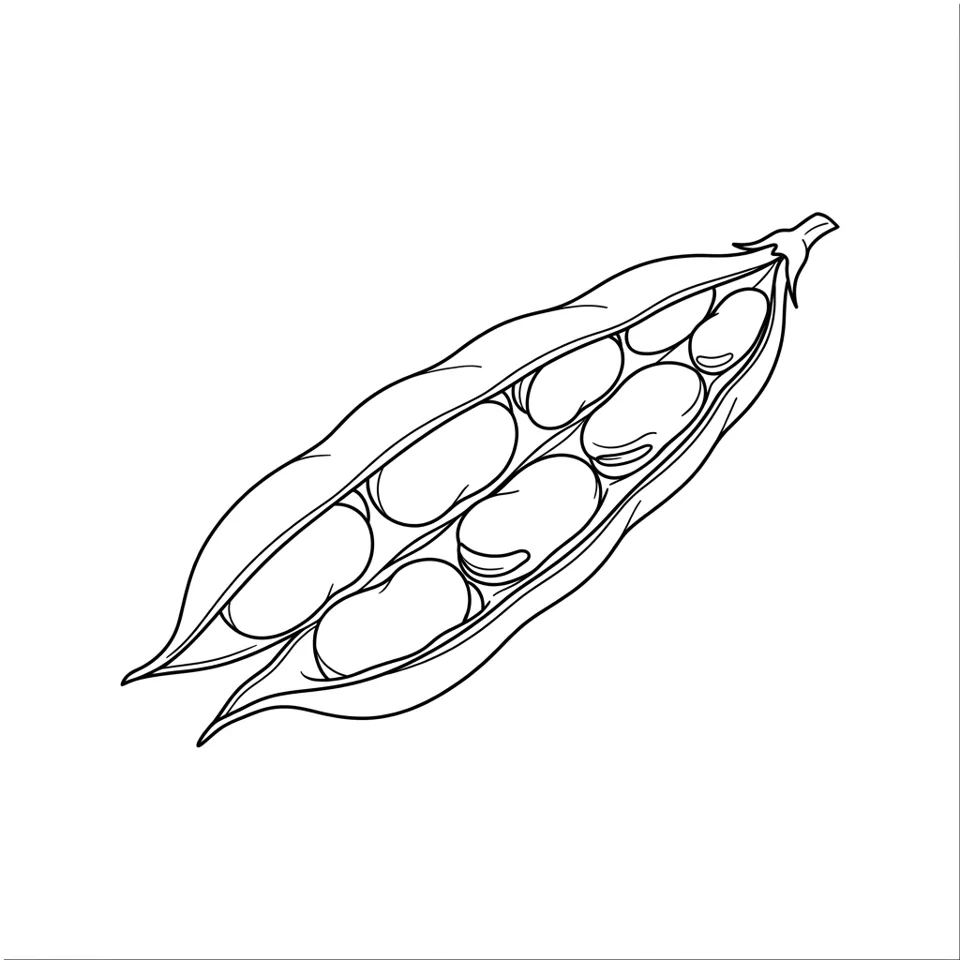
| Fresh beans in the pod | up to 30 cm | up to 0.5 kg | satin | no special handling | CASE 850, C850, CL850 |
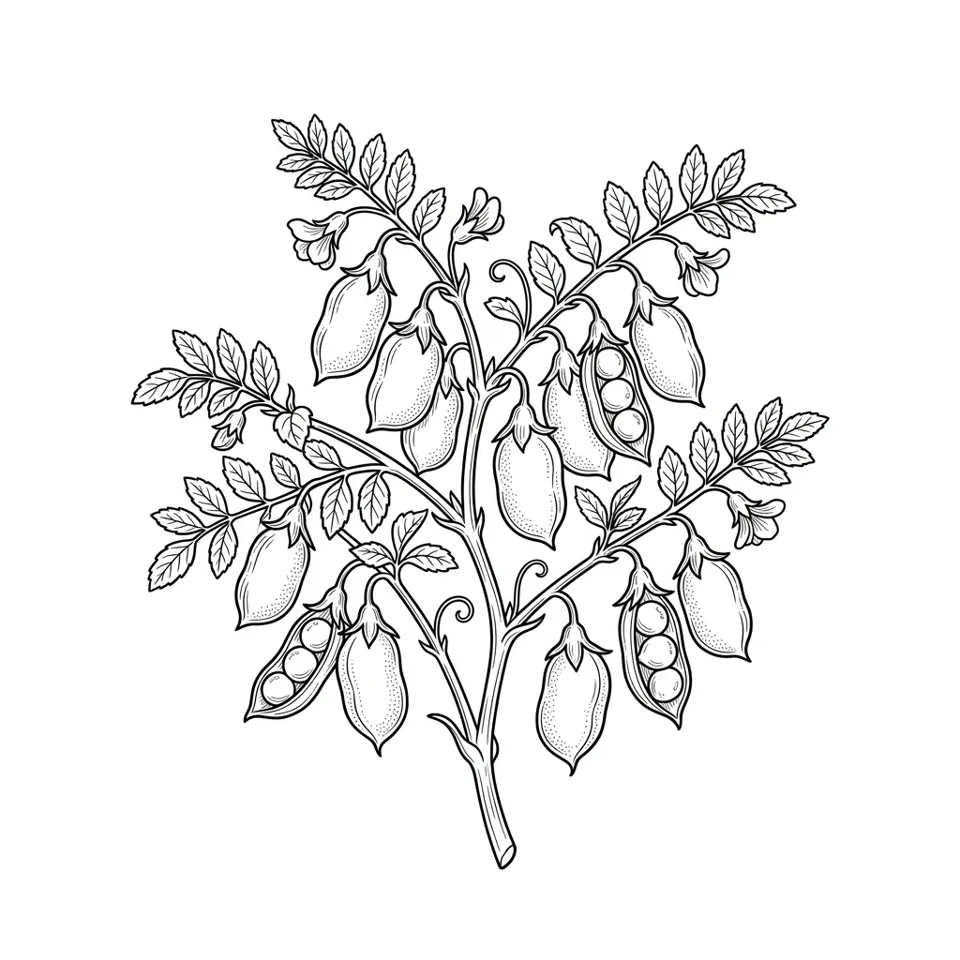
| Fresh green chickpeas | up to 5 cm | up to 0.5 kg | satin | no special handling | CASE 850, C850, CL850 |
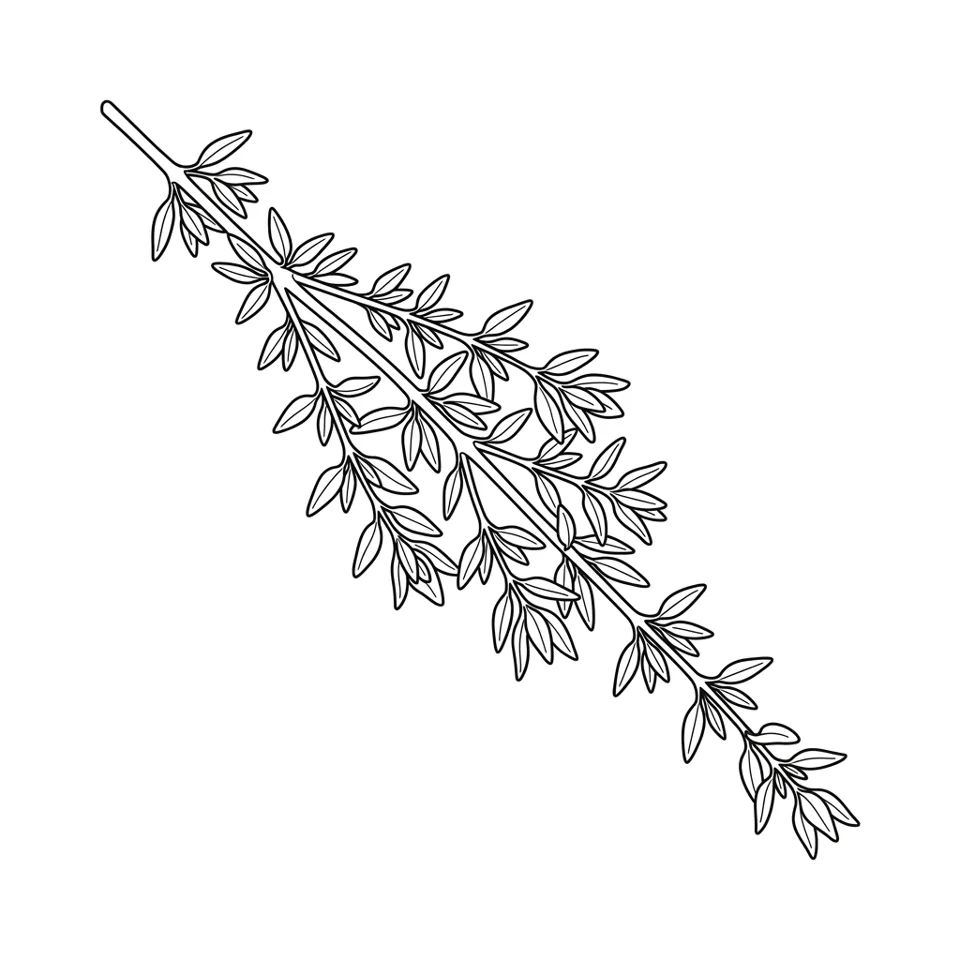
| Fresh herbs | 5 cm to 30 cm | up to 0.5 kg | satin | no special handling | CASE 850, C850, CL850 |
| Prepared chilled vegetables | 5 cm to 30 cm | up to 2 kg | gloss, mixed | no special handling | CASE 850, C850, CL850 |
| Seaweed and sea vegetables | up to 30 cm | up to 2 kg | mixed, translucent | perishable, food-safe, lies flat | CASE 850, C850, CL850 |
| Citrus fruit | 5 cm to 30 cm | up to 2 kg | satin | perishable, food-safe | CASE 850, C850, CL850 |
| Bananas and plantains | 5 cm to 30 cm | up to 2 kg | satin | perishable, food-safe, fragile | CASE 850, C850, CL850 |
| Apples, pears and quinces | 5 cm to 30 cm | up to 0.5 kg | gloss | perishable, food-safe | CASE 850, C850, CL850 |
| Peaches, plums, cherries and stone fruit | up to 30 cm | up to 0.5 kg | gloss | perishable, food-safe, fragile | CASE 850, C850, CL850 |
| Berries and grapes | up to 5 cm | up to 0.5 kg | gloss, mixed | perishable, food-safe, fragile | CASE 850, C850, CL850 |
| Tropical and exotic fruit | up to 30 cm | up to 2 kg | mixed | perishable, food-safe | CASE 850, C850, CL850 |
| Pineapples, papayas, jackfruit and large tropical fruit | 30 cm to 80 cm | 0.5 kg to 40 kg | matte | perishable, food-safe, lifting help | CL1300 |
| Potatoes, yams and starchy tubers | 5 cm to 30 cm | up to 2 kg | matte | perishable, food-safe | CASE 850, C850, CL850 |
| Carrots, beets, radishes and root vegetables | 5 cm to 80 cm | up to 2 kg | matte | perishable, food-safe, long | CUBE COMPACT, CASE 850, C850, CL850, CUBE |
| Onions, garlic and shallots | up to 30 cm | up to 0.5 kg | satin | food-safe | CASE 850, C850, CL850 |
| Tomatoes | up to 30 cm | up to 0.5 kg | gloss | perishable, food-safe, fragile | CASE 850, C850, CL850 |
| Peppers, eggplants and tomatillos | up to 30 cm | up to 2 kg | gloss | perishable, food-safe | CASE 850, C850, CL850 |
| Cucumbers, zucchini and summer squash | 5 cm to 80 cm | up to 2 kg | gloss | perishable, food-safe, long | CUBE COMPACT, CASE 850, C850, CL850, CUBE |
| Melons, pumpkins and gourds | 5 cm to 80 cm | 0.5 kg to 20 kg | mixed | food-safe, lifting help | CUBE COMPACT, CASE 850, C850, CL850, CUBE |
| Cabbage, broccoli, kale and Asian greens | 5 cm to 80 cm | up to 20 kg | matte | perishable, food-safe | CUBE COMPACT, CASE 850, C850, CL850, CUBE |
| Fresh herbs and leaf garnishes | 5 cm to 30 cm | up to 0.5 kg | matte | perishable, food-safe, fragile | CASE 850, C850, CL850 |
| Microgreens, sprouts and edible flowers | up to 30 cm | up to 0.5 kg | matte, mixed | perishable, food-safe, fragile | CASE 850, C850, CL850 |
| Asparagus, celery, leeks and stalk vegetables | 5 cm to 80 cm | up to 2 kg | satin | perishable, food-safe, long | CUBE COMPACT, CASE 850, C850, CL850, CUBE |
| Mushrooms and truffles | up to 30 cm | up to 0.5 kg | matte | perishable, food-safe, fragile | CASE 850, C850, CL850 |
| Lettuce, endive and chicory | 5 cm to 80 cm | up to 2 kg | matte, translucent | perishable, food-safe, fragile | CUBE COMPACT, CASE 850, C850, CL850, CUBE |
| Spinach, watercress and loose salad leaves | 5 cm to 30 cm | up to 0.5 kg | matte | perishable, food-safe, fragile | CASE 850, C850, CL850 |
Which Setup for Which Product
| Product | Setup | Machines |
|---|---|---|
| Apples, pears and quinces; citrus fruit; peppers, eggplants and tomatillos; tomatoes | Glass table and large soft light for a natural sheen; spin single pieces and arrange nets and punnets as groups. | CASE 850, C850, CL850 |
| Berries and grapes; peaches, plums, cherries and stone fruit; fresh peas and pea pods; microgreens, sprouts and edible flowers | Top-down shot in the punnet or on a plate with soft side light for bloom and texture; replace pieces often. | CASE 850, C850, CL850 |
| Lettuce, endive and chicory; spinach, watercress and loose salad leaves; fresh herbs and leaf garnishes; cabbage, broccoli, kale and Asian greens | Soft front light with a touch of back light so leaves glow; work quickly and mist only for hero shots. | CASE 850, C850, CL850 |
| Melons, pumpkins and gourds; pineapples, papayas, jackfruit and large tropical fruit | Sturdier plate for heavy pieces, a spin, and an open state that shows the flesh. | CUBE COMPACT, CASE 850, C850, CL850, CL1300, CUBE |
| Carrots, beets, radishes and root vegetables; asparagus, celery, leeks and stalk vegetables; cucumbers, zucchini and summer squash; potatoes, yams and starchy tubers | Long items laid diagonally or spun with more camera distance, with close-ups of both ends and the skin. | CASE 850, C850, CL850 |
PhotoRobot Machines by Size
PhotoRobot shoots the smallest items here, fresh green chickpeas; berries and grapes, on the 850 mm tables; the 1,300 mm glass of the C1300 and CL1300 and the FRAME are meant for larger products.
- Up to 5 cm (smallest items): Fresh green chickpeas; berries and grapes. Recommended: CASE 850, C850, and CL850.
- Up to 30 cm: Fresh peas and pea pods; fresh beans in the pod; seaweed and sea vegetables; peaches, plums, cherries and stone fruit; tropical and exotic fruit; onions, garlic and shallots; tomatoes; peppers, eggplants and tomatillos; microgreens, sprouts and edible flowers; mushrooms and truffles. Recommended: CASE 850, C850, and CL850.
- 5 cm to 30 cm: Fresh herbs; prepared chilled vegetables; citrus fruit; bananas and plantains; apples, pears and quinces; potatoes, yams and starchy tubers; fresh herbs and leaf garnishes; spinach, watercress and loose salad leaves. Recommended: CASE 850, C850, and CL850.
- 5 cm to 80 cm: Carrots, beets, radishes and root vegetables; cucumbers, zucchini and summer squash; melons, pumpkins and gourds; cabbage, broccoli, kale and Asian greens; asparagus, celery, leeks and stalk vegetables; lettuce, endive and chicory. Recommended: CUBE COMPACT, CASE 850, C850, CL850, and CUBE.
- 30 cm to 80 cm: Pineapples, papayas, jackfruit and large tropical fruit. Recommended: CL1300.
Limits and What to Check
- Produce changes during a session; plan the shot order so the most perishable items go first.
- Natural variation in shape and color is real; choose typical specimens rather than retouching them into identical ones.
- Heavy produce such as jackfruit and large melons may exceed the load of a light glass table; check the weight first.
Next Step
Start with the largest product you plan to shoot from this guide, typically pineapples, papayas, jackfruit and large tropical fruit at 30 cm to 80 cm: enter its size in the Sharp Zone Planner to see whether it stays sharp through a full spin and which camera distance and aperture that needs.
For the light, compare FOMEI Strobes and FOMEI LED Roll Panels on the studio lighting page. FOMEI Strobes give top studio flash at roughly half the price of Broncolor, which suits large produce catalogs, and the LED Roll Panels give the even background that top-down shots of leafy greens and berries need.
Then send a short list of the fresh whole produce you plan to shoot, with the largest and the heaviest piece, the shots you need, and your monthly volume, to PhotoRobot sales; they confirm the machine and the lighting kit before you order.