What Sets Musical Instruments and Accessories Apart
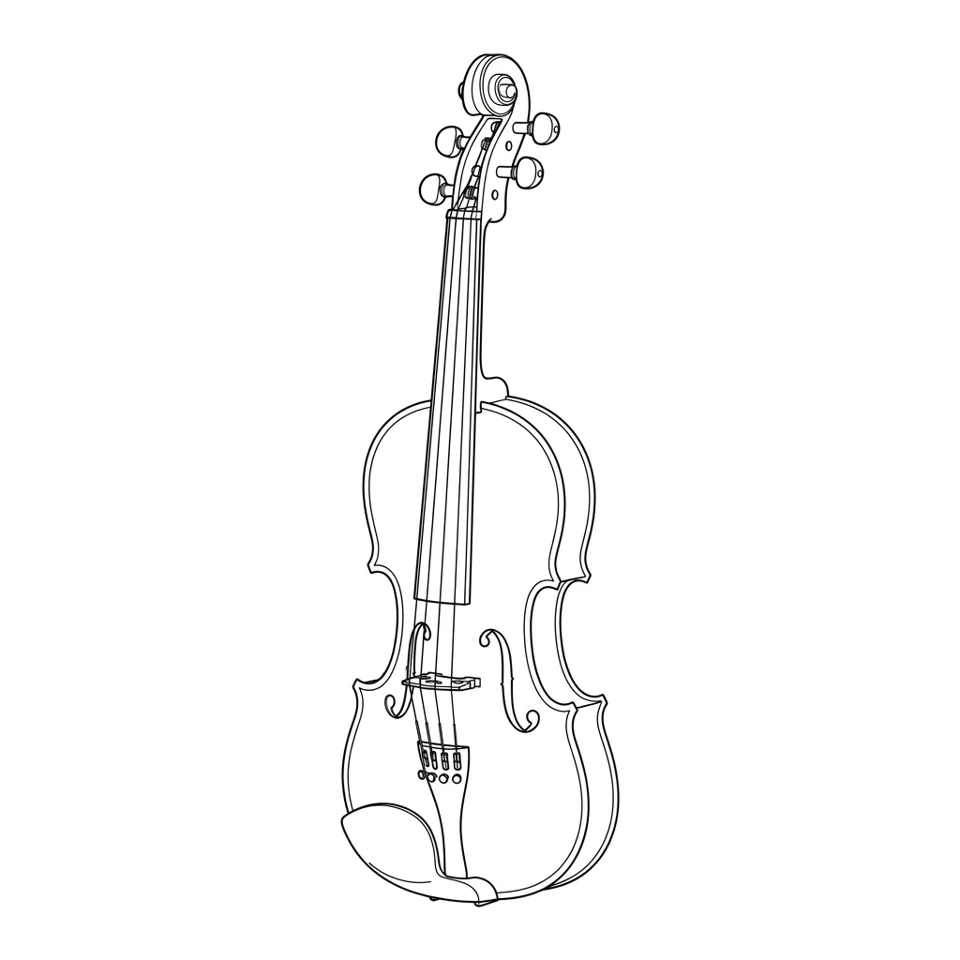
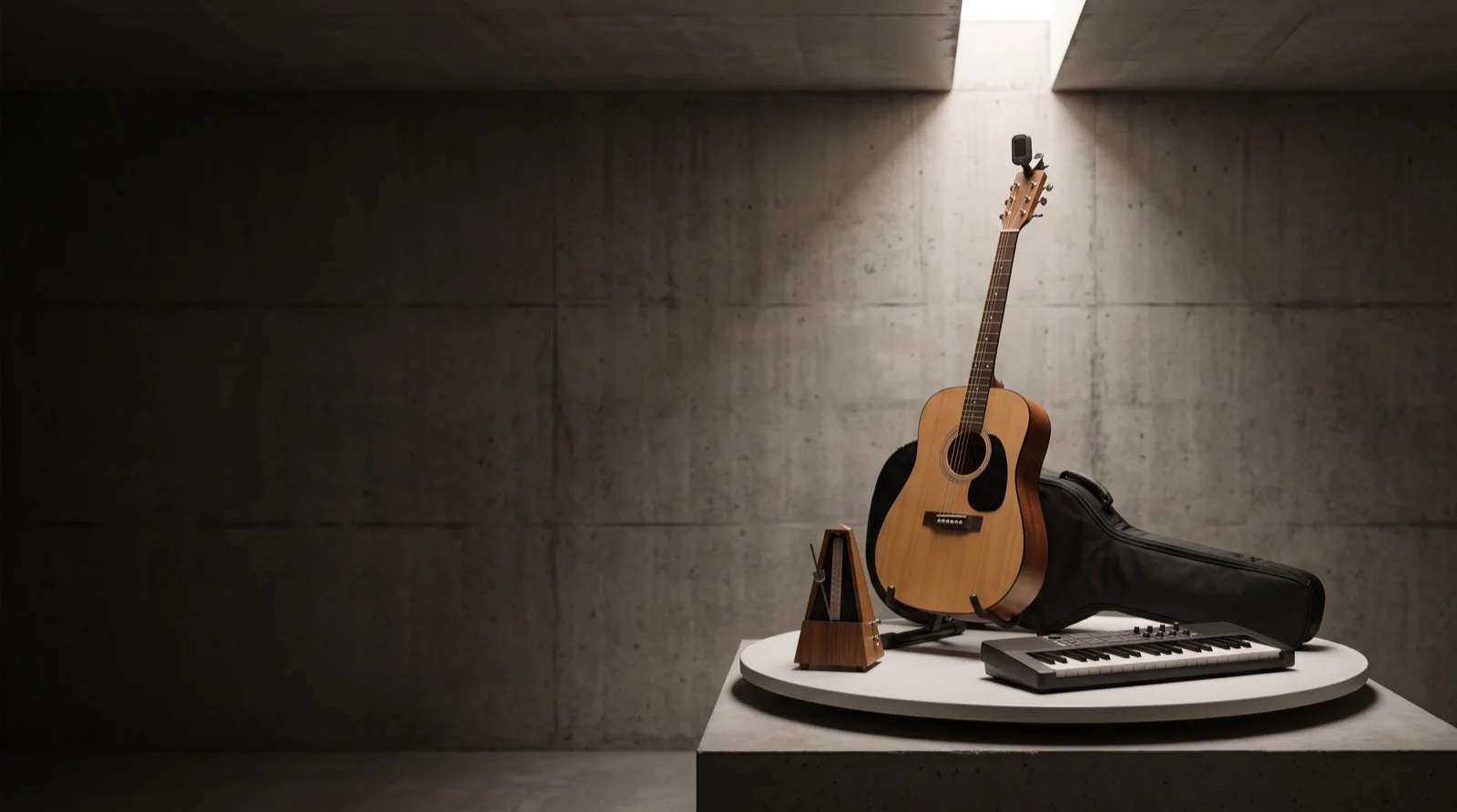
Musical instruments range from a harmonica that fits in a palm to a piano that needs several people to move, and they share finishes that are hard to photograph: polished lacquer, piano black, mirror-bright brass, and figured wood grain. Buyers look at the condition of the finish, the hardware, the strings, and the keys, and for many instruments the shape itself is the selling point. Accessories, such as strings, reeds, stands, and cases, are a separate, more ordinary tabletop job.
The Common Baseline
Preparation
Clean fingerprints from lacquer and brass with a soft cloth and handle instruments with gloves from then on. String guitars and violins evenly, straighten the strings, and remove tags. Polish piano lids, close or open them consistently, and plan transport and lifting help for heavy instruments well before the session. Keep cases and accessories ready for a group shot.
Light
Lacquer, piano black, and brass reflect like mirrors: surround the instrument with large diffused panels and use long strip lights to draw clean highlights along the body, the bell, or the lid. Keep the camera and the stand out of the reflection.
Wood grain on guitars and violins comes out with a soft key from the side; a highlight that runs the length of the body shows the curve without hiding the grain.
Shots
Plan a front packshot on white, a 360-degree spin, close-ups of the headstock, the keys, the valves, the bridge, and any maker's marks, and open and closed states for instruments with cases or lids. Large instruments such as pianos and drum kits also need an in-use or context shot that shows the scale.
How the Groups Differ
Size and weight split this guide sharply: small instruments and accessories fit any tabletop setup, guitars and wind instruments need a large plate and support, and pianos and drum kits belong on a platform.
Across the 6 groups in our data, the typical longest side runs from under 5 cm to 2.5 m, and weights from under 0.5 kg to 1,500 kg. Surfaces by number of groups: gloss (2), satin (2), mirror (1), mixed (1). The handling notes that recur most are fragile (3 of 6) and many parts (3 of 6).
| Group | Typical size | Weight | Surface | Handling | Best-fit machines |
|---|---|---|---|---|---|
| Brass and woodwind instruments | 5 cm to 80 cm | up to 20 kg | mirror | fragile, many parts | CUBE COMPACT, CASE 850, C850, CL850, CUBE |
| Guitars, violins and string instruments | 30 cm to 1.5 m | 0.5 kg to 20 kg | gloss | fragile, needs support | C1300, CL1300, FRAME, Turning Platform |
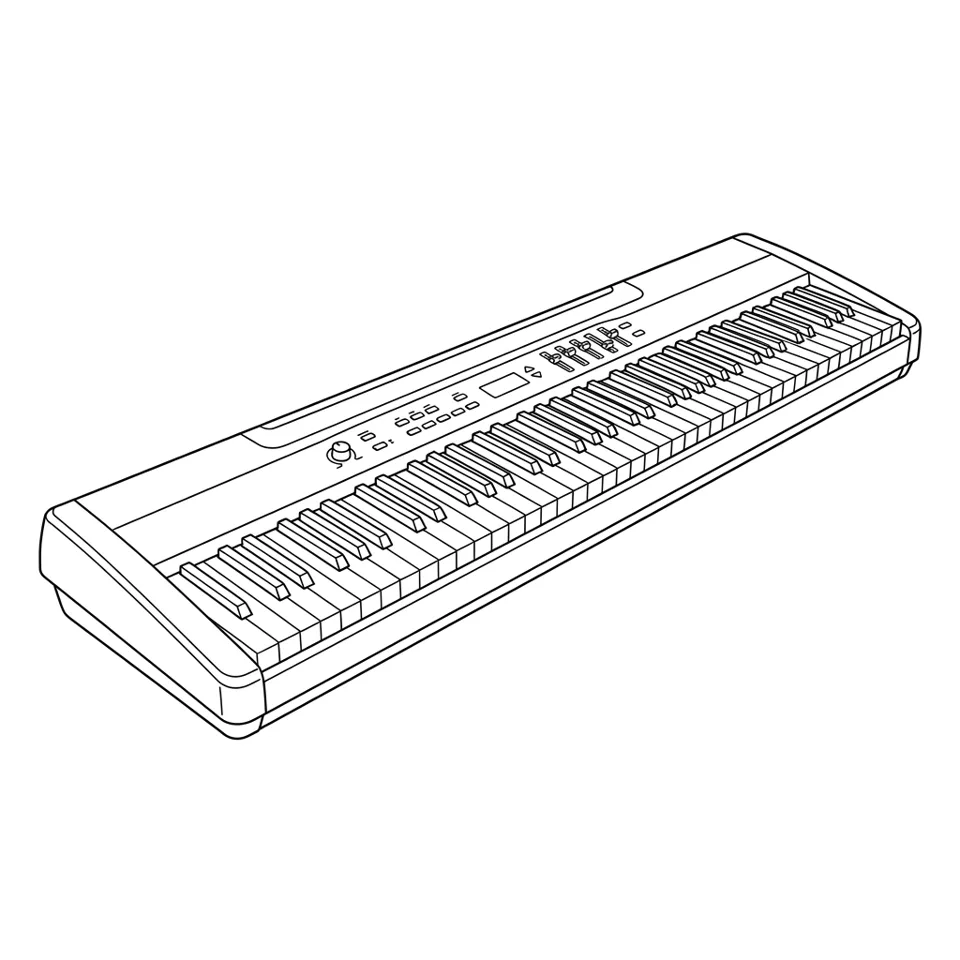
| Pianos and keyboards | 80 cm to 2.5 m | 40 kg to 1,500 kg | gloss | lifting help, fragile | Turning Platform, Carousel 3000 Round, Carousel 3000 Square |
| Drums and percussion | 5 cm to 1.5 m | 0.5 kg to 40 kg | mixed | many parts | CUBE COMPACT, CL850, CUBE |
| Small instruments, tuners and effects | up to 30 cm | up to 2 kg | satin | cord or battery | CASE 850, C850, CL850 |
| Strings, reeds, stands and instrument accessories | up to 80 cm | up to 2 kg | satin | many parts, lies flat | CUBE COMPACT, CASE 850, C850, CL850, CUBE |
Which Setup for Which Product
| Product | Setup | Machines |
|---|---|---|
| Small instruments, tuners and effects; strings, reeds, stands and instrument accessories | Tabletop spin or flat lay with macro close-ups of reeds, strings, and controls. | CASE 850, C850, CL850 |
| Brass and woodwind instruments | Large diffusion around polished brass, strip lights along the bell, and a spin with valves and keys toward the camera. | CUBE COMPACT, CASE 850, C850, CL850, CUBE |
| Guitars, violins and string instruments | Supported upright, a soft side key for the grain, and a long highlight along the body. | C1300, CL1300, FRAME, Turning Platform |
| Pianos and keyboards; drums and percussion | Turning Platform for pianos and drum kits, lights hung from the ceiling, lifting help, and a context shot for scale. | CUBE COMPACT, CL850, CUBE, Turning Platform, Carousel 3000 Round, Carousel 3000 Square |
PhotoRobot Machines by Size
- Up to 30 cm: Small instruments, tuners and effects. Recommended: CASE 850, C850, and CL850.
- Up to 80 cm: Strings, reeds, stands and instrument accessories. Recommended: CUBE COMPACT, CASE 850, C850, CL850, and CUBE.
- 5 cm to 80 cm: Brass and woodwind instruments. Recommended: CUBE COMPACT, CASE 850, C850, CL850, and CUBE.
- 5 cm to 1.5 m: Drums and percussion. Recommended: CUBE COMPACT, CL850, and CUBE.
- 30 cm to 1.5 m: Guitars, violins and string instruments. Recommended: C1300, CL1300, FRAME, and Turning Platform.
- 80 cm to 2.5 m: Pianos and keyboards. Recommended: Turning Platform, Carousel 3000 Round, and Carousel 3000 Square.
Limits and What to Check
- Pianos weigh hundreds of kilograms; plan transport and the floor load before anything else.
- Guitars and violins need hidden supports to stand upright on a turntable; plan them in advance.
- Very reflective finishes always show something; aim for clean, controlled reflections.
Next Step
Start with the largest product you plan to shoot from this guide, typically pianos and keyboards at 80 cm to 2.5 m: enter its size in the Sharp Zone Planner to see whether it stays sharp through a full spin and which camera distance and aperture that needs.
For the light, compare FOMEI Strobes and FOMEI Ceiling System on the studio lighting page. Studio strobes in large softboxes shape the long highlights on lacquer and brass, and for pianos and drum kits on a platform, the FOMEI Ceiling System hangs the lights above the set so no cables lie on the floor.
Then send a short list of the musical instruments and accessories you plan to shoot, with the largest and the heaviest piece, the shots you need, and your monthly volume, to PhotoRobot sales; they confirm the machine and the lighting kit before you order.