What Sets Footwear, Bags, and Wearable Accessories Apart
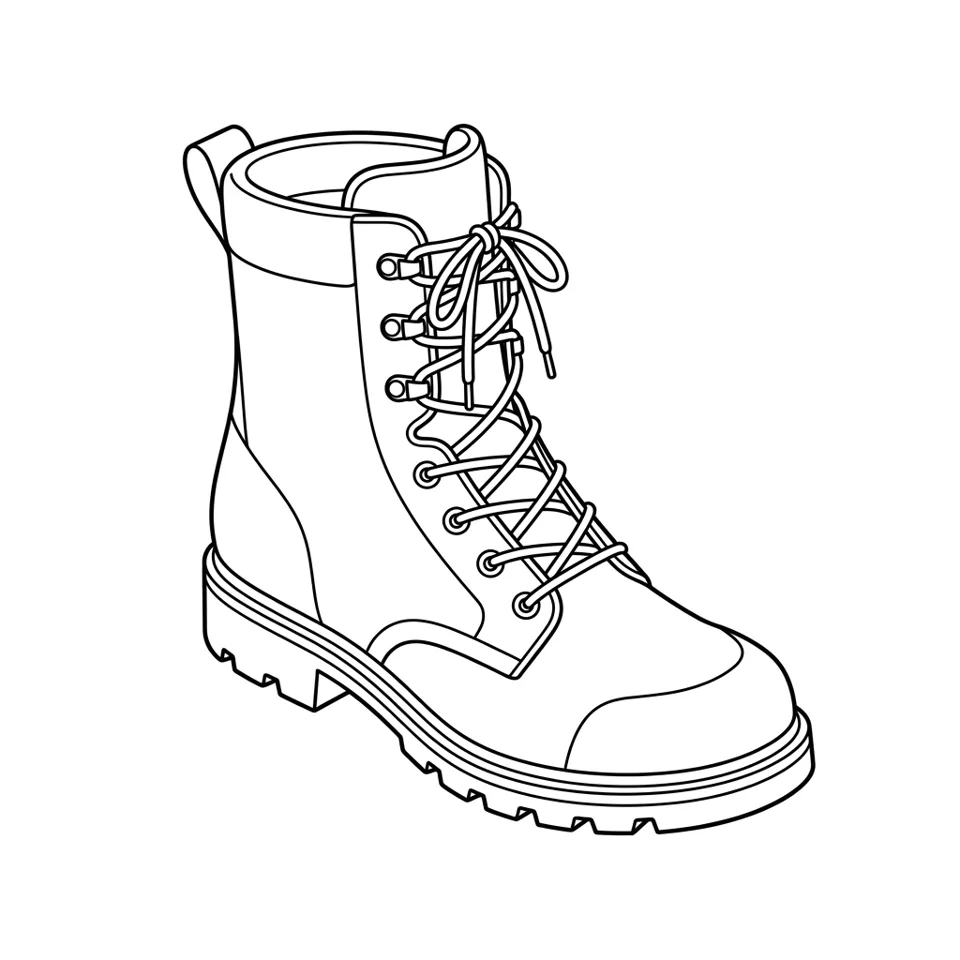
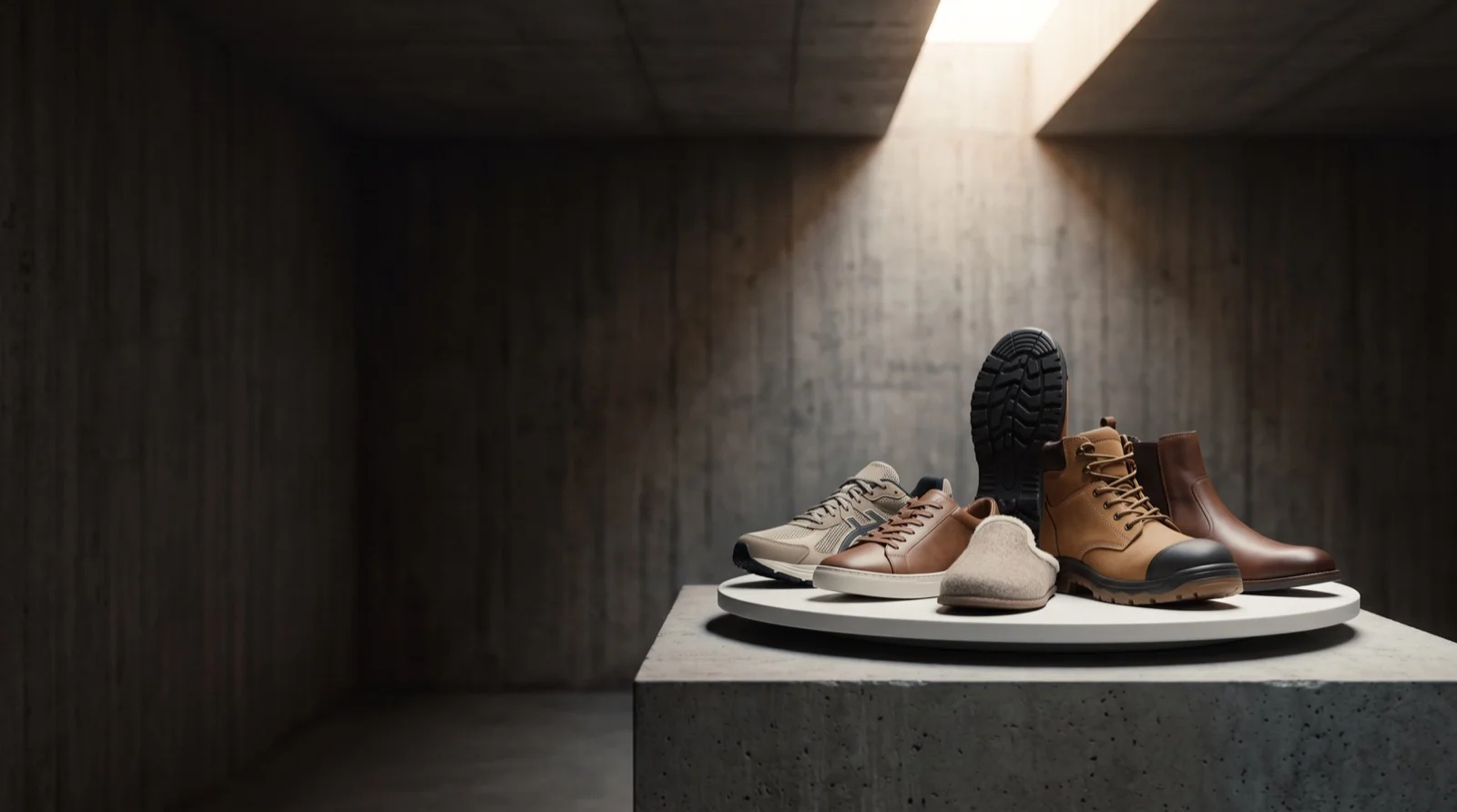
Shoes, bags, luggage, and small accessories are judged on shape, materials, and craftsmanship: the stitching along a sole, the grain of leather, the hardware on a strap, the way a bag holds its form. Footwear also comes in pairs, so the listing has to show one shoe in detail and the pair together. Most of these products mix surfaces, such as matte suede next to patent leather, rubber, and metal buckles, which makes even lighting harder than it looks.
The Common Baseline
Preparation
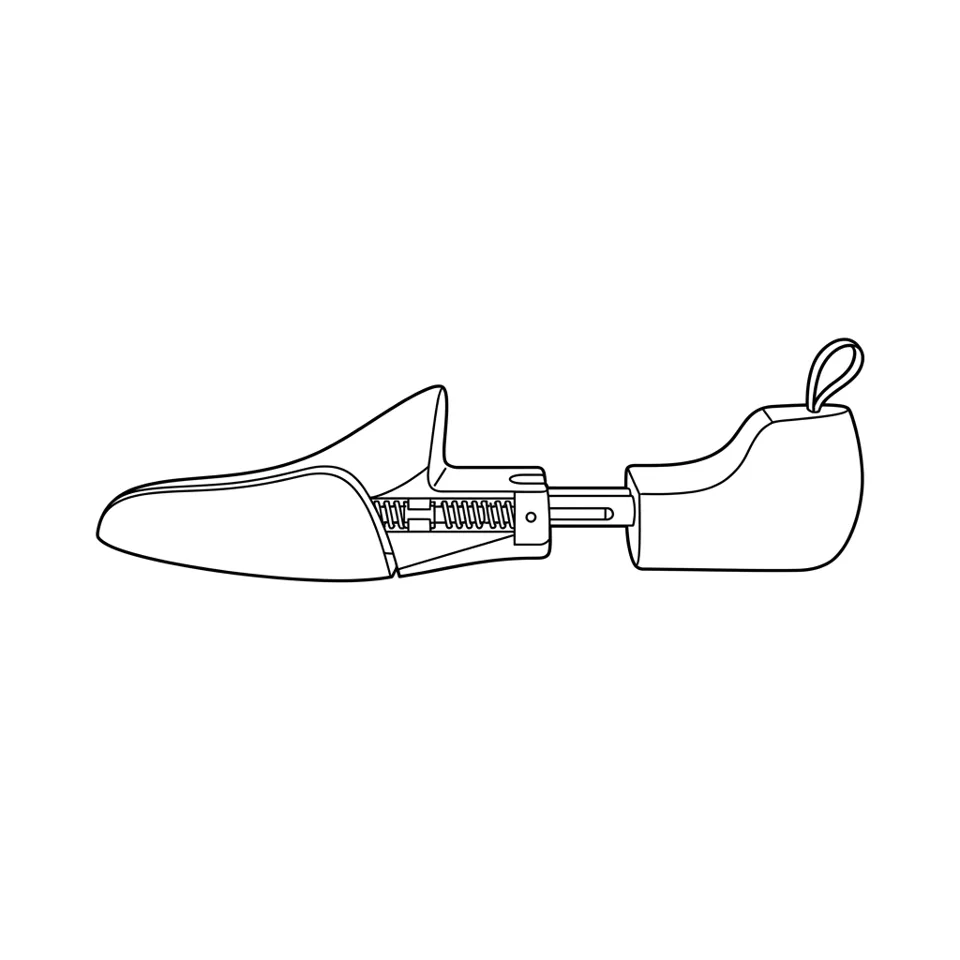
Stuff shoes and bags with tissue or a form so they keep their shape, and remove any visible stuffing before the shot. Lace shoes the same way across a range, clean the soles, and remove tags and stickers. Brush suede and textile, wipe leather, and polish metal hardware. Decide which shoe of the pair is the hero, usually the outer side of one shoe, and keep it consistent.
Light
Mixed materials need a balance: a large soft key light for leather and patent surfaces, plus a lower accent light that brings out the texture of suede, mesh, and canvas. Flags beside the shoe keep the outline clean against white.
Bags with glossy hardware and patent finishes reflect the studio; angle them slightly and use cards to shape the highlights on buckles and zippers.
Shots
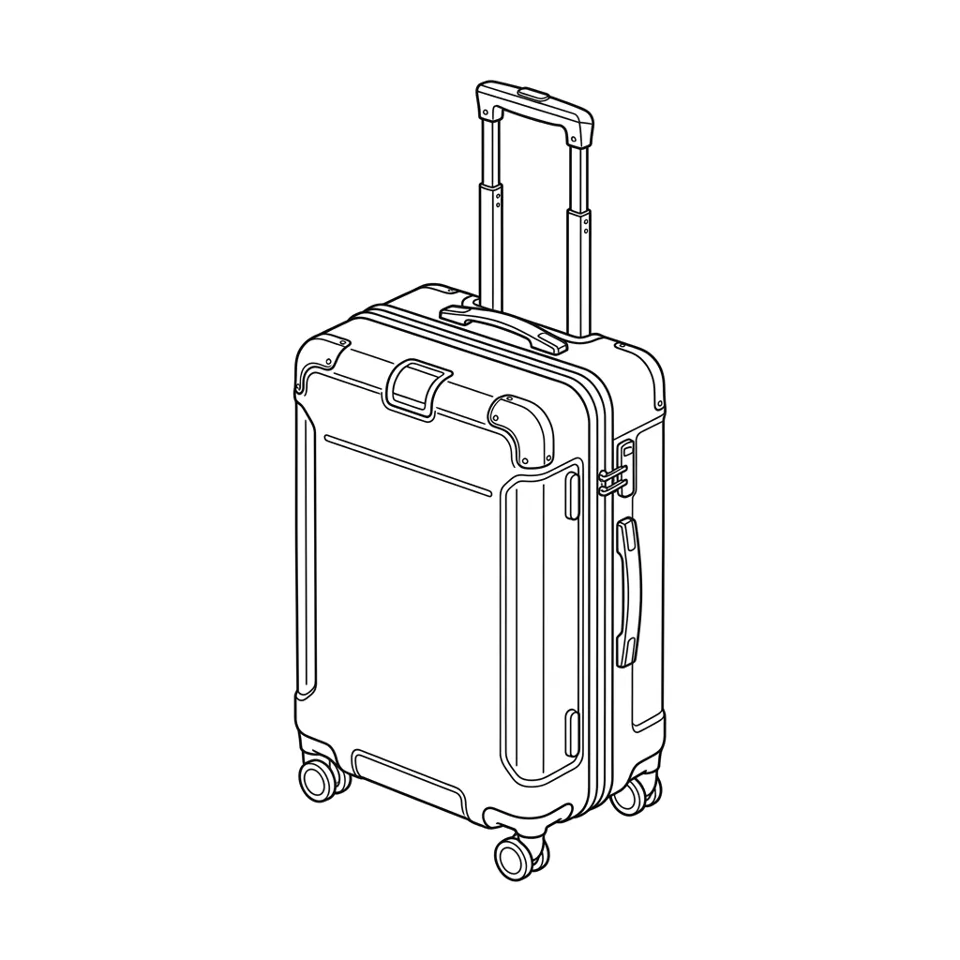
Plan a front or side packshot on white, a 360-degree spin, close-ups of stitching, sole, lining, and hardware, and a pair or group arrangement. Bags also need open and closed states and a view of the inside, umbrellas need open and closed states, and shoe care products need a before and after pair.
How the Groups Differ
Shoes are the most demanding group because of pairs and mixed surfaces; bags need support and open states; shoe care and pocket accessories are small items shot more like packaged goods.
Across the 4 groups in our data, the typical longest side runs from under 5 cm to 80 cm, and weights from under 0.5 kg to 20 kg. Surfaces by number of groups: mixed (2), satin (2). The handling notes that recur most are open and closed (2 of 4).
| Group | Typical size | Weight | Surface | Handling | Best-fit machines |
|---|---|---|---|---|---|
| Shoes, boots and slippers | 5 cm to 80 cm | up to 20 kg | mixed | many parts | CUBE COMPACT, CASE 850, C850, CL850, CUBE |
| Bags, backpacks, wallets and luggage | 5 cm to 80 cm | up to 20 kg | satin | soft, needs support, open and closed | CUBE COMPACT, CASE 850, C850, CL850, CUBE |
| Shoe care, insoles and laces | up to 30 cm | up to 0.5 kg | satin | lies flat | CASE 850, C850, CL850 |
| Umbrellas, key rings and pocket accessories | up to 80 cm | up to 2 kg | mixed | open and closed | CUBE COMPACT, CASE 850, C850, CL850, CUBE |
Which Setup for Which Product
| Product | Setup | Machines |
|---|---|---|
| Shoes, boots and slippers | Glass plate, a soft key plus a low accent for texture, the outer side as the hero, then the pair from above and at three-quarters. | CUBE COMPACT, CASE 850, C850, CL850, CUBE |
| Bags, backpacks, wallets and luggage | Stuffed to shape with the handles held up by a clear support; spin closed and shoot a front view open. | CUBE COMPACT, CASE 850, C850, CL850, CUBE |
| Shoe care, insoles and laces | Top-down view of tins, bottles, and laces with the contents out of the pack, plus before and after pairs on a shoe. | CASE 850, C850, CL850 |
| Umbrellas, key rings and pocket accessories | Small tabletop setup, open and closed states for umbrellas and fans, and close-ups of key rings. | CUBE COMPACT, CASE 850, C850, CL850, CUBE |
PhotoRobot Machines by Size
PhotoRobot shoots the smallest items here, umbrellas, key rings and pocket accessories, on the 850 mm tables; the 1,300 mm glass of the C1300 and CL1300 and the FRAME are meant for larger products.
- Up to 30 cm: Shoe care, insoles and laces. Recommended: CASE 850, C850, and CL850.
- Up to 80 cm (smallest items): Umbrellas, key rings and pocket accessories. Recommended: CUBE COMPACT, CASE 850, C850, CL850, and CUBE.
- 5 cm to 80 cm: Shoes, boots and slippers; bags, backpacks, wallets and luggage. Recommended: CUBE COMPACT, CASE 850, C850, CL850, and CUBE.
Limits and What to Check
- Tall boots and large suitcases may need more height in the frame than a standard spin; check them first.
- Stuffing and supports must be hidden or removed in post; clear acrylic is easier to retouch than wire.
- White and black shoes in one range need different exposure; group them rather than shooting in catalog order.
Next Step
Start with the largest product you plan to shoot from this guide, typically shoes, boots and slippers at 5 cm to 80 cm: enter its size in the Sharp Zone Planner to see whether it stays sharp through a full spin and which camera distance and aperture that needs.
For the light, compare Broncolor Strobes and FOMEI LED Roll Panels on the studio lighting page. Footwear often goes into 360-degree spins and 3D models with many frames per item; Broncolor Strobes keep flashing at a high rate without tiring, and the LED Roll Panels keep the white background even behind dark shoes.
Then send a short list of the footwear, bags and wearable accessories you plan to shoot, with the largest and the heaviest piece, the shots you need, and your monthly volume, to PhotoRobot sales; they confirm the machine and the lighting kit before you order.