What Sets Garments Shown on a Form or Laid Flat Apart
Clothing is photographed on a form, on a model, or laid flat, and each method tells the buyer something different: how the garment hangs, how it fits a body, or how it looks folded in a drawer. Dresses, shirts, sweaters, jackets, pants, skirts, and sleepwear are soft, so they lose shape the moment they are not supported, and they are judged on true color and fabric texture, which shift easily under the wrong light.
The Common Baseline
Preparation
Steam out creases and fold lines, remove tags and stickers, and lint-roll dark fabrics. Choose a form in the right size and pin or clip excess fabric at the back so the front falls cleanly. For flat lays, smooth the garment on the background and shape sleeves and legs the same way across a range. Keep the actual garment next to the monitor as a color reference when checking images.
Light
Matte cotton, knit, and wool need a soft key light slightly from the side so the weave and the texture read, with a fill that keeps shadows open in folds. Satin, silk, and sleepwear fabrics need larger, softer sources so the sheen looks smooth rather than streaky.
Color accuracy matters more than mood: use a color reference card at the start of each session and keep the same light for the whole range, because buyers return garments that do not match the image.
Shots
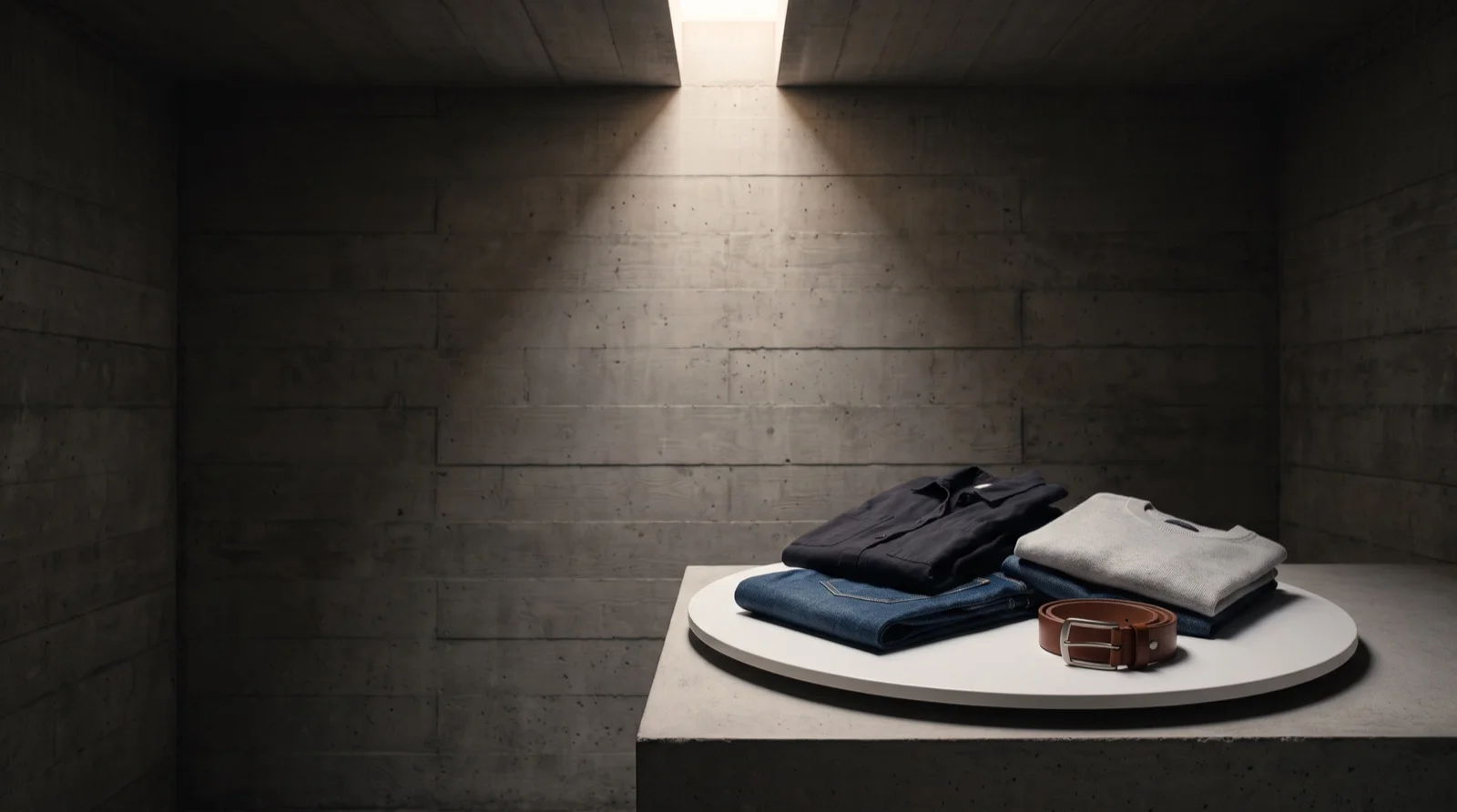
Plan a front packshot on a form or a model, a top-down flat lay with the camera square to the surface, close-ups of fabric, buttons, seams, and labels, and a 360-degree view on a rotating form. Multipacks and bundles need a group arrangement that shows every piece.
How the Groups Differ
Most groups share the choice between a form and a flat lay; the differences are the fabric, which ranges from matte knit to shiny satin, and whether the product is a single garment or a bundle.
Across the 6 groups in our data, every group sits in one size band, 30 cm to 80 cm, and weights from under 0.5 kg to 2 kg. Surfaces by number of groups: matte (4), satin (2). The handling notes that recur most are on a form (5 of 6), drapes (4 of 6), and lies flat (2 of 6).
| Group | Typical size | Weight | Surface | Handling | Best-fit machines |
|---|---|---|---|---|---|
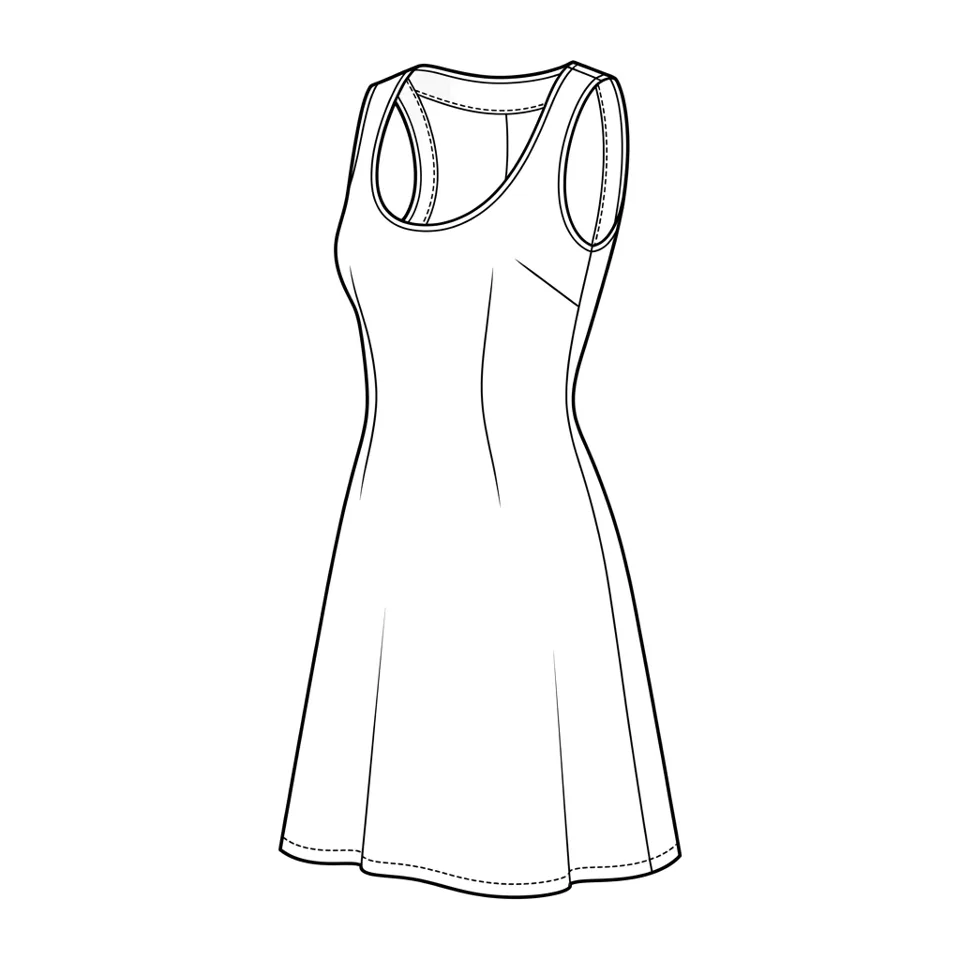
| Dresses, jumpsuits and one-piece garments | 30 cm to 80 cm | up to 2 kg | satin | on a form, drapes | C1300, CL1300, FRAME |
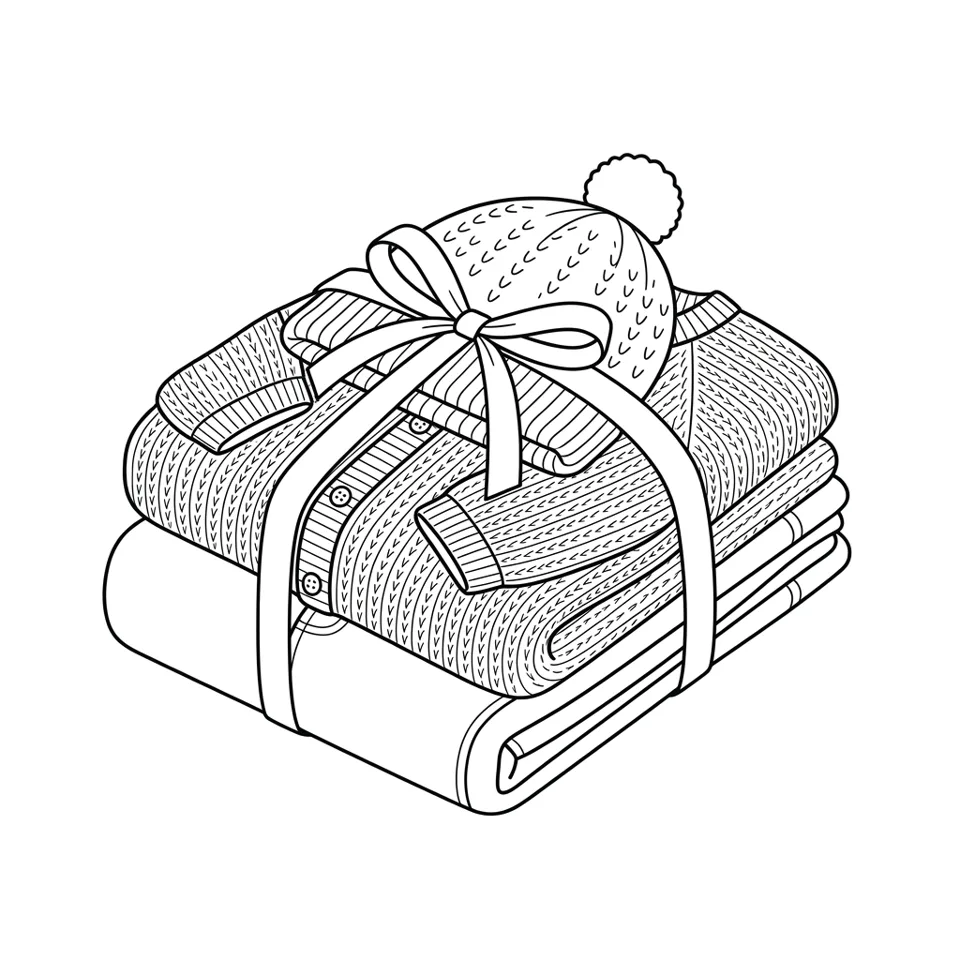
| Clothing bundles and multipacks | 30 cm to 80 cm | up to 2 kg | matte | lies flat, many parts | C1300, CL1300, FRAME |
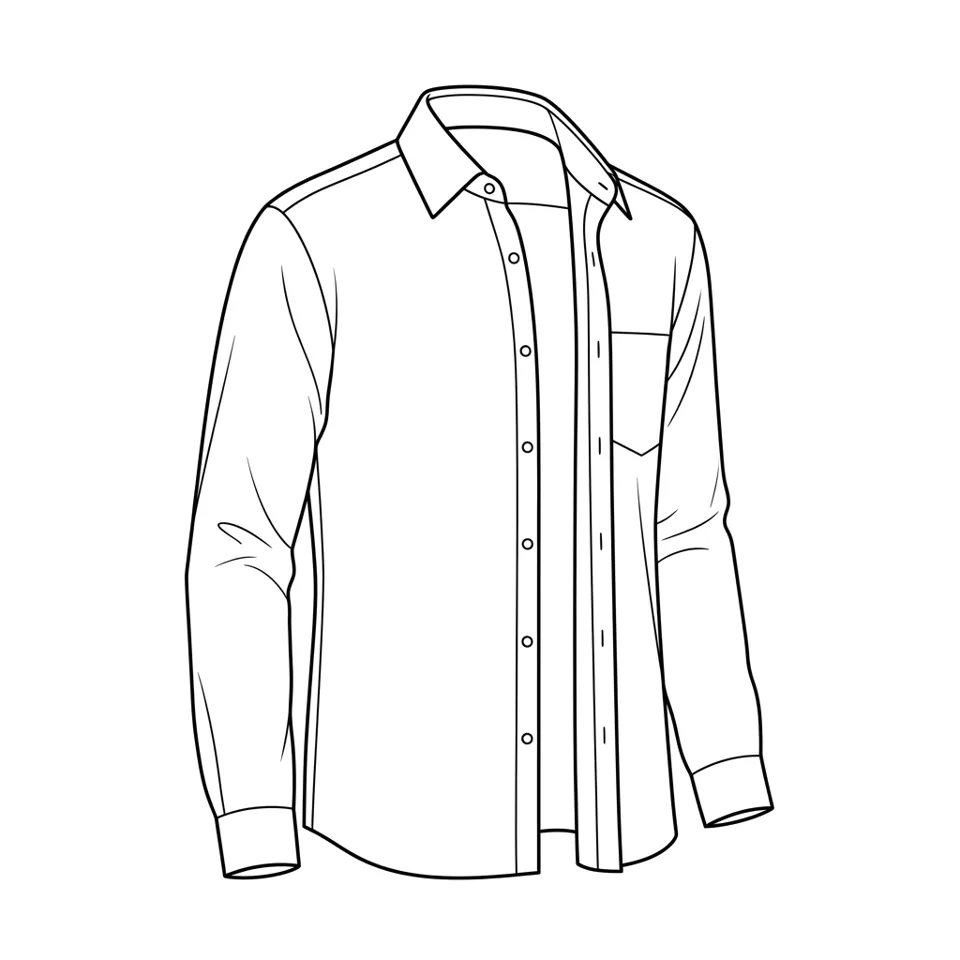
| Shirts, T-shirts and athletic tops | 30 cm to 80 cm | up to 0.5 kg | matte | on a form, drapes | C1300, CL1300, FRAME |
| Sweaters, jackets and blazers | 30 cm to 80 cm | up to 2 kg | matte | on a form, drapes | C1300, CL1300, FRAME |
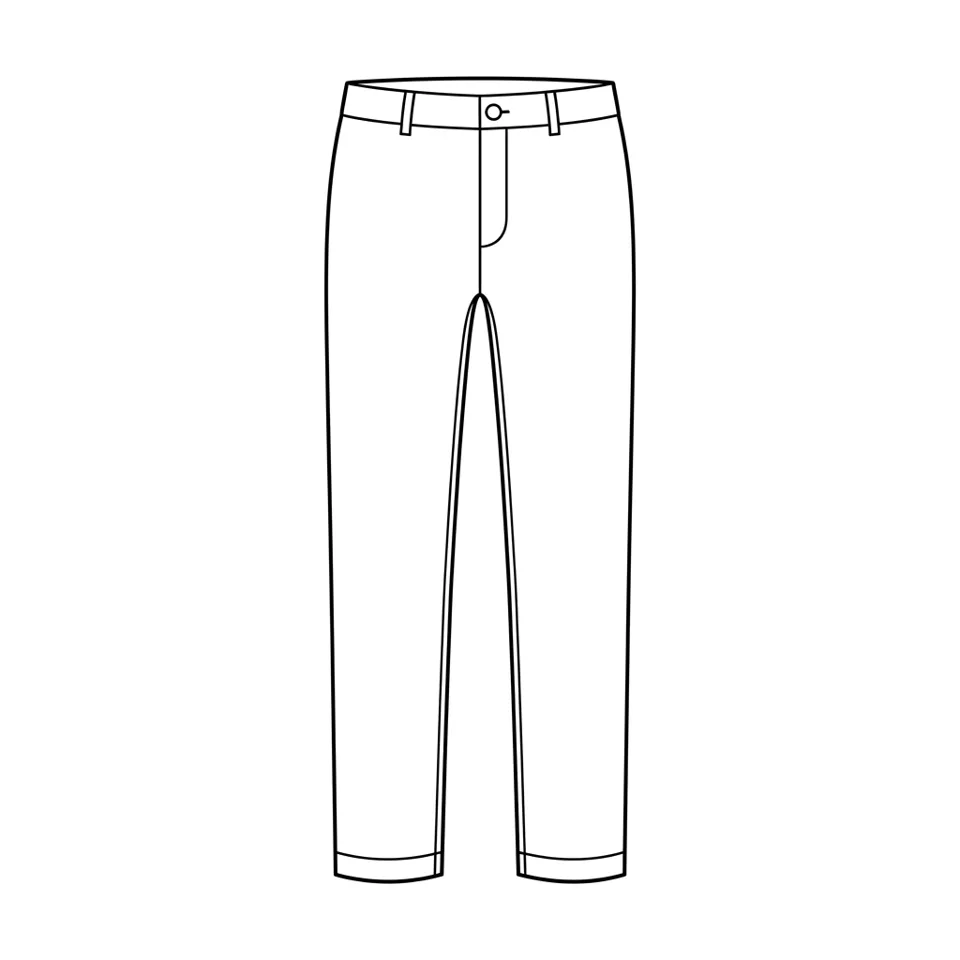
| Pants, shorts and skirts | 30 cm to 80 cm | up to 2 kg | matte | on a form, lies flat | C1300, CL1300, FRAME |
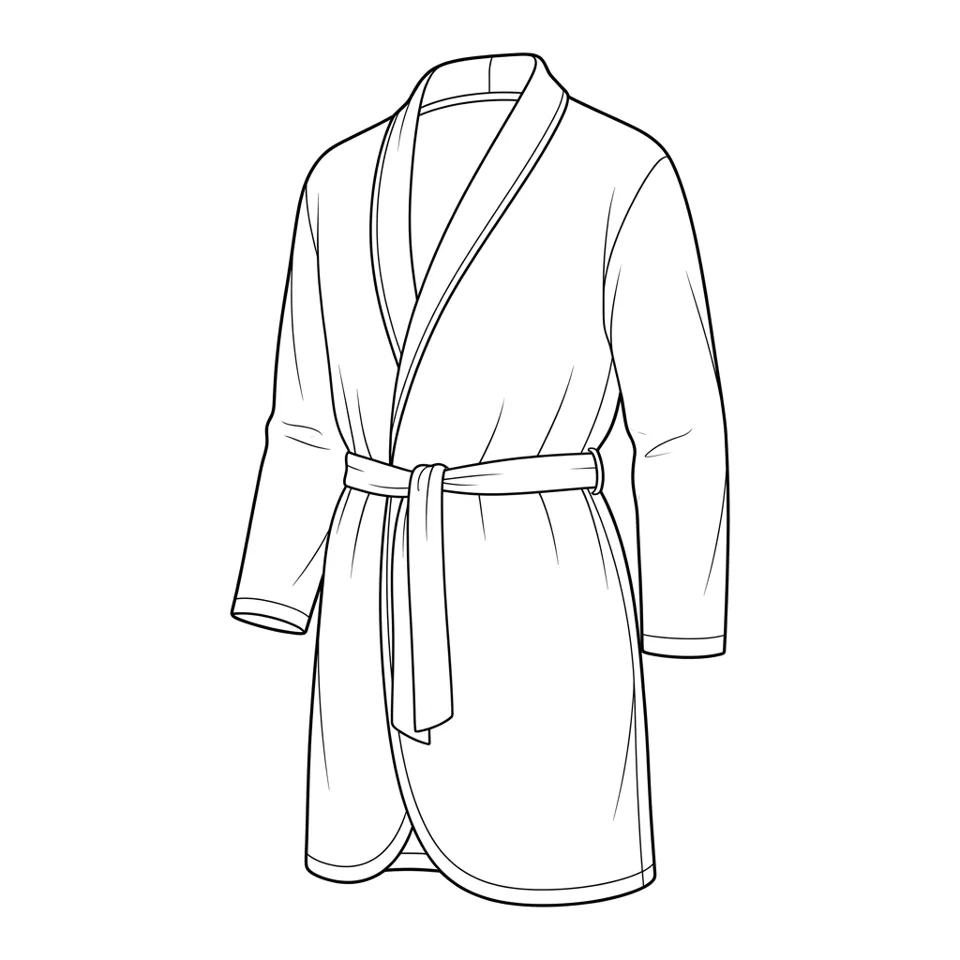
| Pajamas, nightgowns and robes | 30 cm to 80 cm | up to 2 kg | satin | on a form, drapes | C1300, CL1300, FRAME |
Which Setup for Which Product
| Product | Setup | Machines |
|---|---|---|
| Dresses, jumpsuits and one-piece garments; shirts, T-shirts and athletic tops; sweaters, jackets and blazers | Invisible (ghost) mannequin or a form rotated by the CUBE, a soft side key for texture, and a 360-degree view plus close-ups. | C1300, CL1300, FRAME |
| Pants, shorts and skirts | A form for fit, a flat lay for listings, and a close-up of the waistband and seams. | C1300, CL1300, FRAME |
| Pajamas, nightgowns and robes | Larger, softer light for satin and fleece, on a form or as a flat lay in matching sets. | C1300, CL1300, FRAME |
| Clothing bundles and multipacks | Top-down group arrangement of every piece, then single items laid flat. | C1300, CL1300, FRAME |
PhotoRobot Machines by Size
- 30 cm to 80 cm: Dresses, jumpsuits and one-piece garments; clothing bundles and multipacks; shirts, T-shirts and athletic tops; sweaters, jackets and blazers; pants, shorts and skirts; pajamas, nightgowns and robes. Recommended: C1300, CL1300, and FRAME.
Limits and What to Check
- Color shifts between fabrics and lights are a main cause of returns; check every color against the real garment.
- Visible pins, clips, and form edges must be hidden or removed in post.
- Flat lays show the garment, not the fit; add a form or model image wherever fit matters.
Next Step
Start with the largest product you plan to shoot from this guide, typically dresses, jumpsuits and one-piece garments at 30 cm to 80 cm: enter its size in the Sharp Zone Planner to see whether it stays sharp through a full spin and which camera distance and aperture that needs.
For the light, compare FOMEI Strobes and FOMEI LED Roll Panels on the studio lighting page. Studio strobes give soft, even, color-stable light on fabric, and the LED Roll Panels light a white background evenly for clean cutouts around garments on a form.
Then send a short list of the garments shown on a form or laid flat you plan to shoot, with the largest and the heaviest piece, the shots you need, and your monthly volume, to PhotoRobot sales; they confirm the machine and the lighting kit before you order.