What Sets Clear Glassware Apart
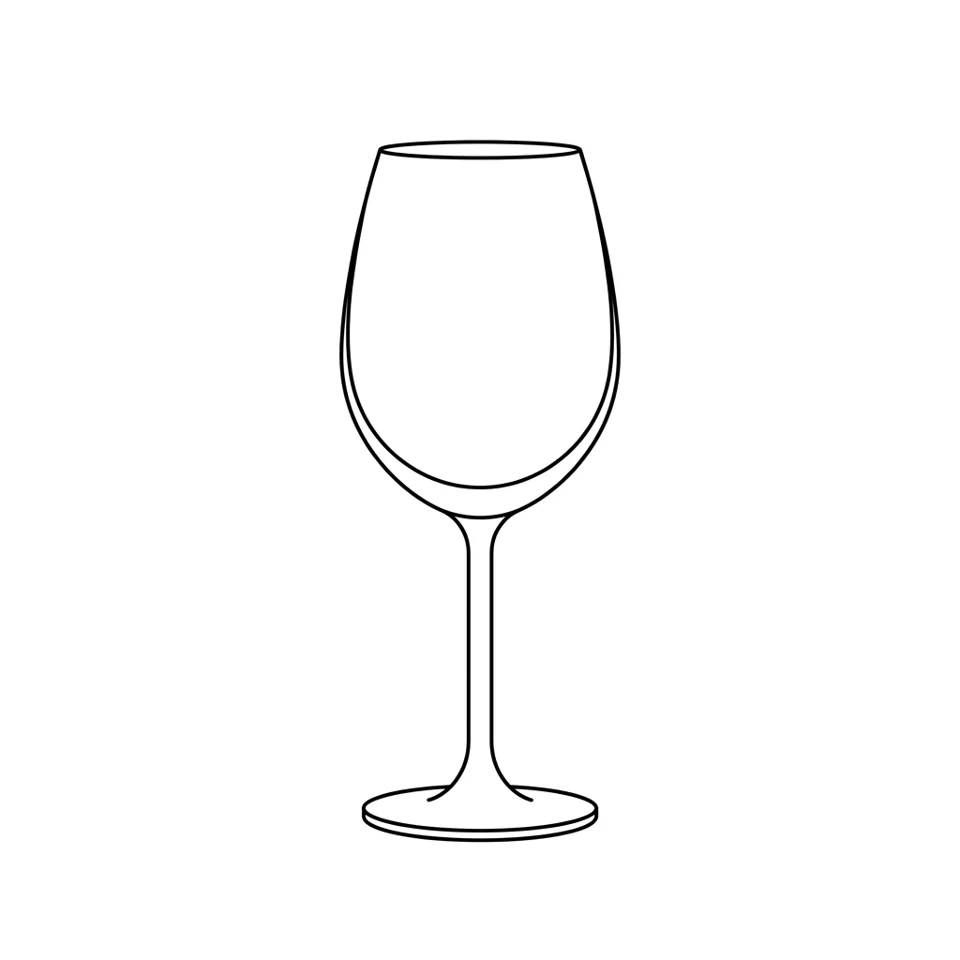
Clear glassware has almost no surface of its own to photograph. What the camera records is the outline, the light passing through the walls, and the reflections on the curves. Stemware, tumblers, beer glasses, bar glasses, carafes, glass teapots, and baby bottles all share this problem; they differ in height, wall thickness, and how much metal, ceramic, or printed scale sits on the glass. A good listing image keeps the edges crisp, the glass clean and bright, and the shape free of distortion, so buyers can judge capacity and proportions at a glance.
The Common Baseline
Preparation
Wash and dry every piece, then polish it with a lint-free microfiber cloth while wearing cotton or nitrile gloves, and from then on hold stemware by the foot. Check each glass against a bright light before it goes on the plate: water spots, dust, and fingerprints show far more in the final image than to the eye. If a product line is shown filled, use diluted or colored water at the same fill level for every item, because full-strength dark liquids can turn almost black on camera.
Light
Choose one of two classic looks and keep it for the whole range. Bright field puts an evenly lit white surface behind the glass and black cards just outside the frame, so the edges read as clean dark lines. Dark field uses a black background and light from behind through a narrow opening, so the edges glow white against black.
Keep direct lights out of the front of the bowl unless you want a deliberate highlight; one long, soft highlight on each side looks cleaner than several small ones. Light from below through a glass turntable plate removes the dark line where the foot meets the surface and makes thick bases and pressed patterns readable.
Shots
Plan a straight front packshot on white, a backlit shot that shows clarity and edges, and close-ups of the rim, the stem, and any etching or printed scale. For a 360-degree spin, center the glass precisely on the plate: an off-center tall glass swings in and out of focus and wobbles visibly between frames.
How the Groups Differ
The groups share the glass, but not the risks. Stemware is tall and top-heavy, carafes and teapots mix glass with metal or ceramic parts that need a different exposure, and baby bottles carry printed scales that must stay legible.
Across the 7 groups in our data, the typical longest side runs from 5 cm to 80 cm, and weights from under 0.5 kg to 2 kg. Surfaces by number of groups: gloss (7). The handling notes that recur most are stands upright (2 of 7) and fragile (2 of 7).
| Group | Typical size | Weight | Surface | Handling | Best-fit machines |
|---|---|---|---|---|---|
| Wine glasses and stemware | 5 cm to 30 cm | up to 0.5 kg | gloss, transparent | stands upright, fragile | CASE 850, C850, CL850 |
| Tumblers and everyday glasses | 5 cm to 30 cm | up to 0.5 kg | gloss, transparent | no special handling | CASE 850, C850, CL850 |
| Beer glasses and steins | 5 cm to 30 cm | up to 2 kg | gloss, transparent | no special handling | CASE 850, C850, CL850 |
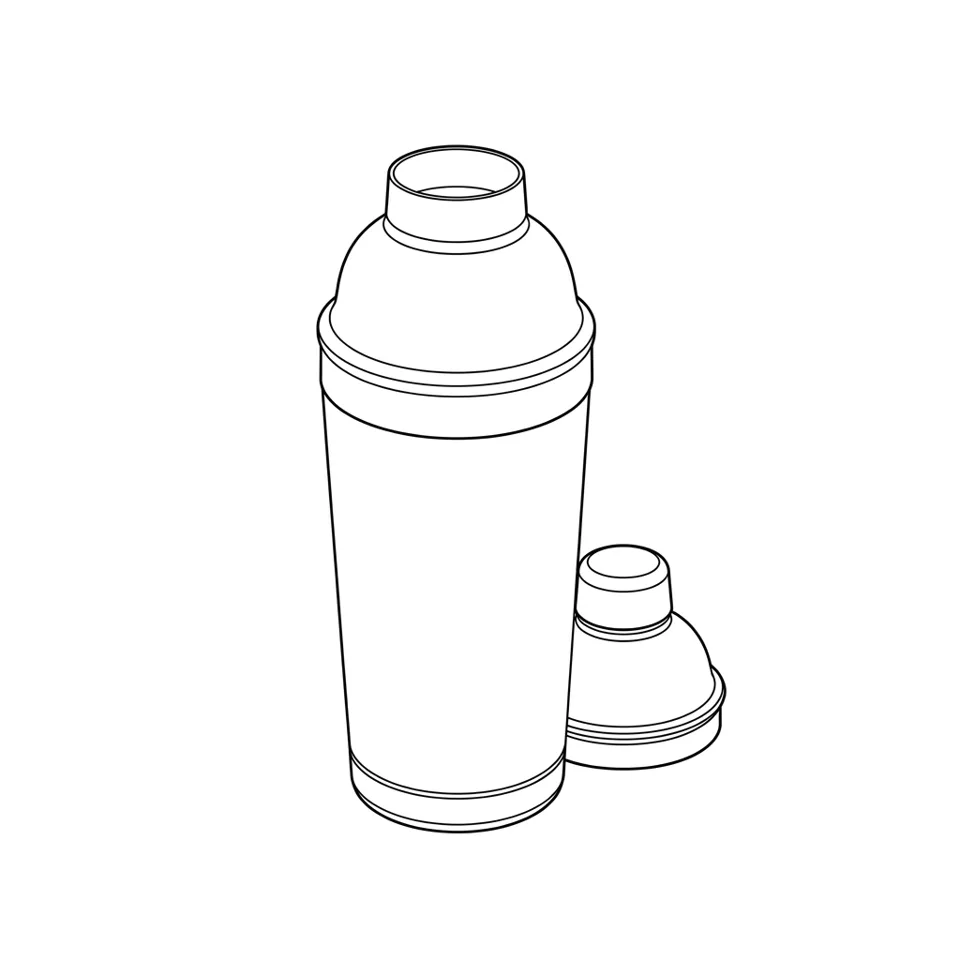
| Cocktail and bar glasses | 5 cm to 30 cm | up to 0.5 kg | gloss, transparent | no special handling | CASE 850, C850, CL850 |
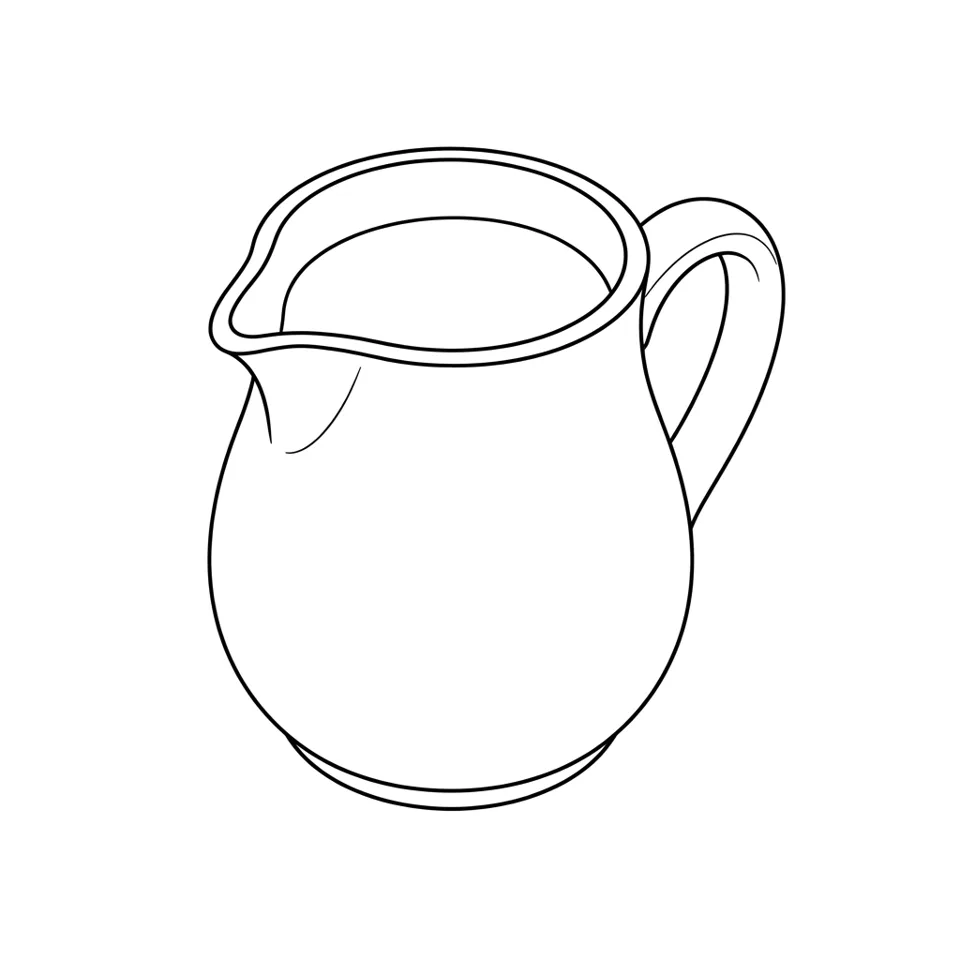
| Pitchers, carafes and decanters | 5 cm to 80 cm | up to 2 kg | gloss, mixed | stands upright, fragile | CUBE COMPACT, CASE 850, C850, CL850, CUBE |
| Teapots and coffee presses | 5 cm to 80 cm | up to 2 kg | gloss, mixed | no special handling | CUBE COMPACT, CASE 850, C850, CL850, CUBE |
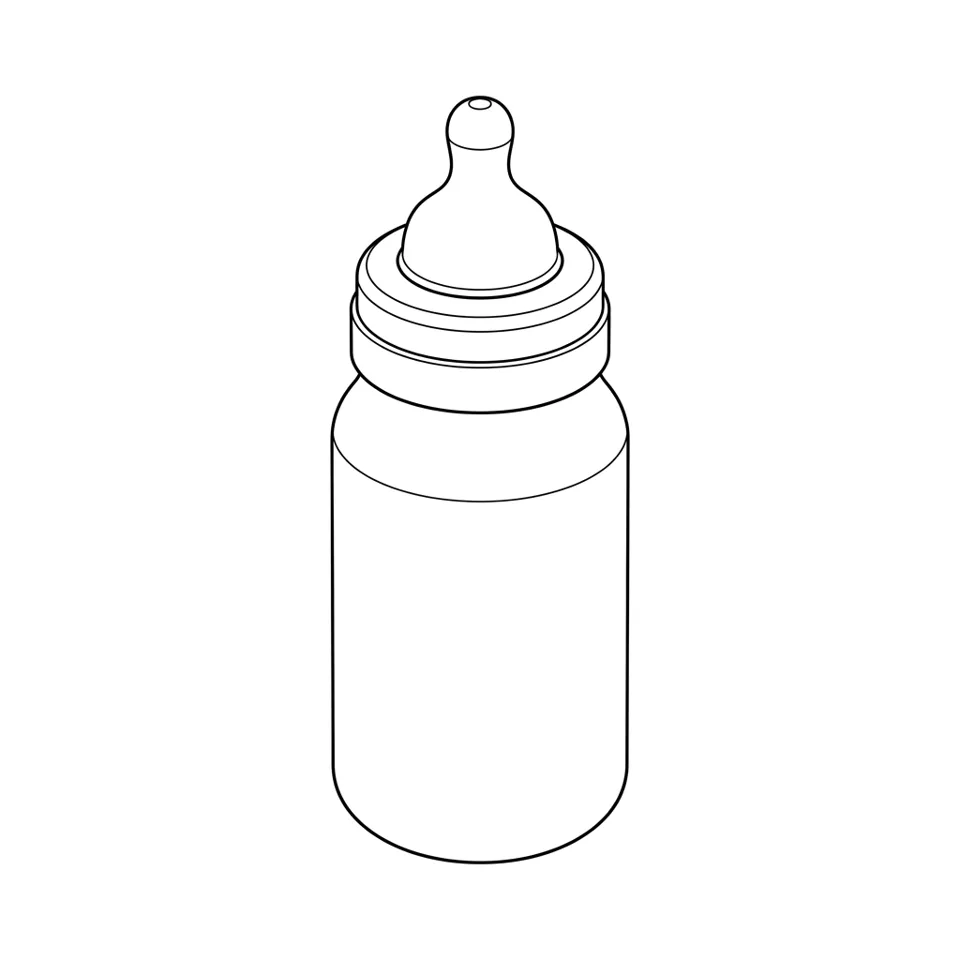
| Baby bottles | 5 cm to 30 cm | up to 0.5 kg | gloss, transparent | no special handling | CASE 850, C850, CL850 |
Which Setup for Which Product
| Product | Setup | Machines |
|---|---|---|
| Wine glasses and stemware; cocktail and bar glasses | Bright-field backlight with black side cards, light from below to clean up the foot, and precise centering for spins. | CASE 850, C850, CL850 |
| Tumblers and everyday glasses; beer glasses and steins | The same backlight with a low front fill that shows thick bases, pressed patterns, and logos on the glass. | CASE 850, C850, CL850 |
| Pitchers, carafes and decanters; teapots and coffee presses | Expose for the glass, then flag or card the metal and ceramic parts separately so lids and handles keep their detail. | CUBE COMPACT, CASE 850, C850, CL850, CUBE |
| Baby bottles | Even backlight plus soft front light so the printed scale and the teat read clearly; show the bottle assembled and in parts. | CASE 850, C850, CL850 |
PhotoRobot Machines by Size
- 5 cm to 30 cm: Wine glasses and stemware; tumblers and everyday glasses; beer glasses and steins; cocktail and bar glasses; baby bottles. Recommended: CASE 850, C850, and CL850.
- 5 cm to 80 cm: Pitchers, carafes and decanters; teapots and coffee presses. Recommended: CUBE COMPACT, CASE 850, C850, CL850, and CUBE.
Limits and What to Check
- Glass shows every speck: clean the plate and the background between items, not just the products.
- Very tall carafes and decanters may need more camera distance to stay sharp from top to bottom in a spin; check them before a full run.
- Etched decoration and frosted areas are hard to see against a white backlight; add a darker variant or a low-angle accent for them.
Next Step
Start with the largest product you plan to shoot from this guide, typically pitchers, carafes and decanters at 5 cm to 80 cm: enter its size in the Sharp Zone Planner to see whether it stays sharp through a full spin and which camera distance and aperture that needs.
For the light, compare FOMEI LED Roll Panels and Broncolor Strobes on the studio lighting page. The LED Roll Panels light a background evenly without a hot spot in the middle, which is exactly what a bright-field backlight needs; Broncolor Strobes change intensity identically in all color channels, so color stays the same when you switch between clear glass and the metal or ceramic parts of a carafe.
Then send a short list of the clear glassware you plan to shoot, with the largest and the heaviest piece, the shots you need, and your monthly volume, to PhotoRobot sales; they confirm the machine and the lighting kit before you order.