What Sets Jewelry, Watches, and Eyewear Apart
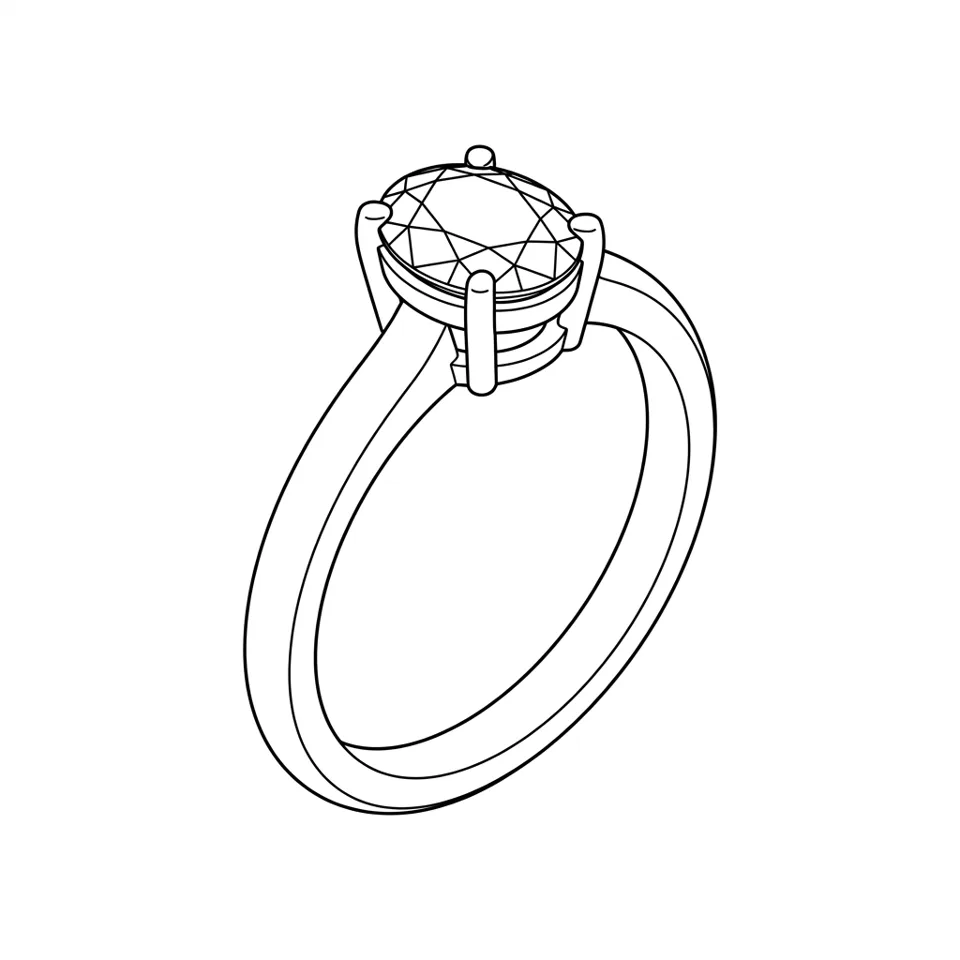
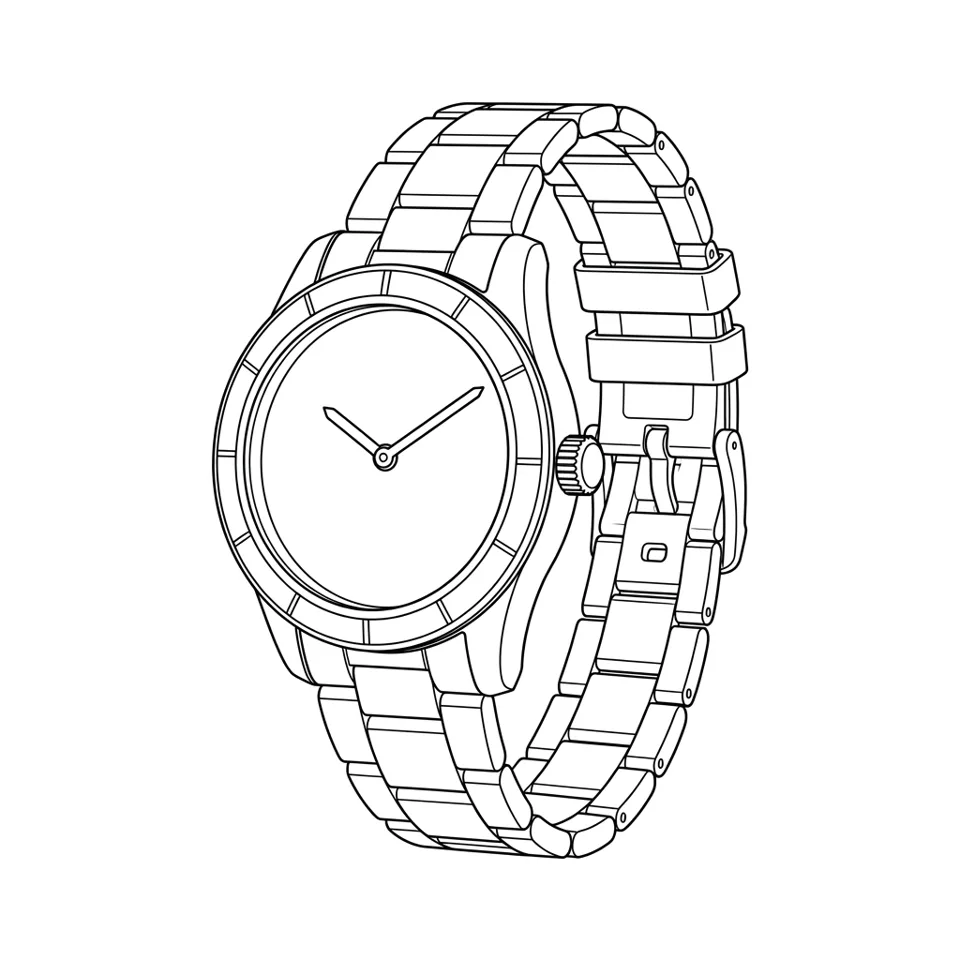
Jewelry, watches, and eyewear are among the smallest products a studio photographs, and among the most demanding. Polished gold, silver, and steel mirror the whole studio, gemstones need sparkle without glare, watch crystals and lenses add transparency on top of the reflections, and buyers zoom in to judge finish, stone setting, and hallmarks. Every flaw that the eye misses at arm's length, such as dust, a fingerprint, or a scratch on a crystal, becomes obvious at the magnification these images are viewed at.
The Common Baseline
Preparation
Clean each piece just before it goes on the plate, using a blower and a soft cloth, and handle it with gloves from then on. Set watches to the same time for the whole range and remove protective films from crystals and lenses unless the film is part of the product. Open clasps, lay out chains, and use small, clear supports for rings and earrings so each piece stands the way it is worn.
Light
Surround the piece with large diffusion or a light tent so metal reflects smooth gradients instead of lamps and stands, and use small black or white cards to draw clean lines along bands, bezels, and frames. A small, harder light source on gemstones adds sparkle; keep it separate from the soft light on the metal.
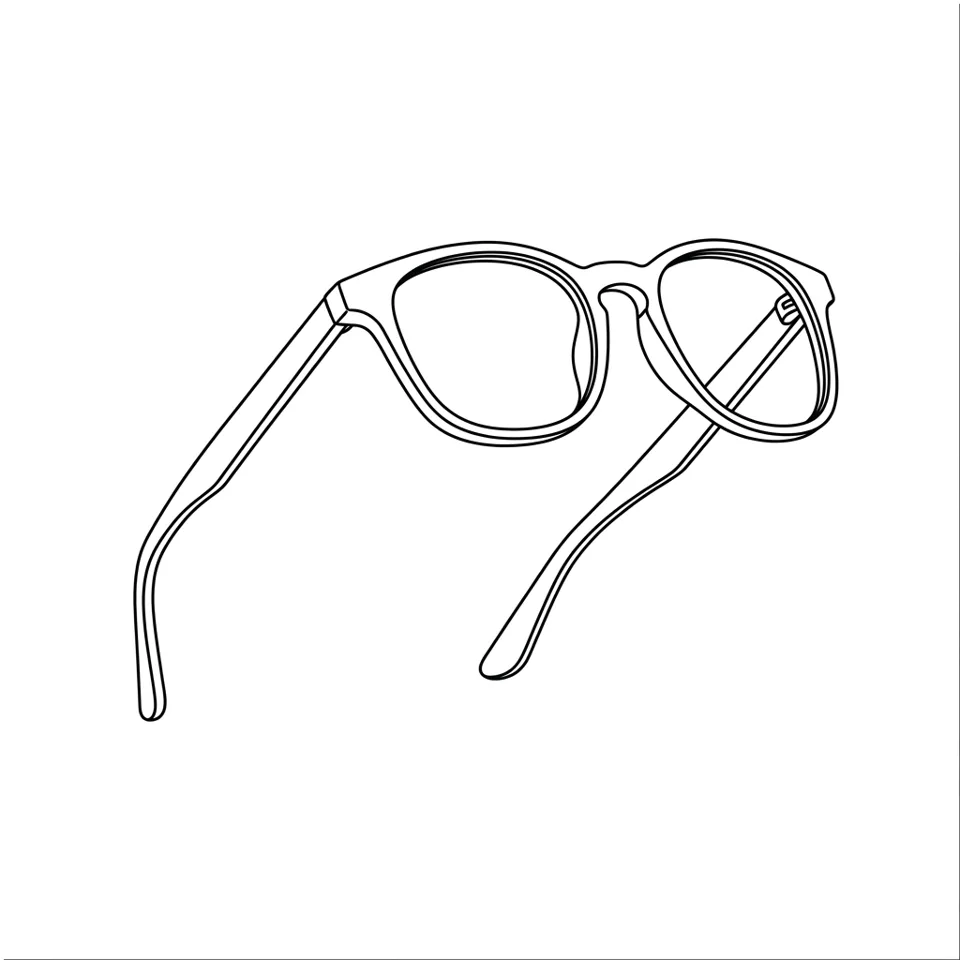
Lenses and watch crystals reflect like mirrors and let light through at the same time. Angle them slightly away from the main light, and light frames from below through the glass plate so clear acetate and thin metal rims stay visible against white.
Shots
Plan a 360-degree spin for rings, watches, and frames, a front packshot on white, macro close-ups of stones, dials, clasps, and hinges with focus stacking, and a shot worn on a model or a form so buyers can judge the scale. Eyewear also needs a three-quarter view and a side view of the temples, and jewelry boxes need open and closed states.
How the Groups Differ
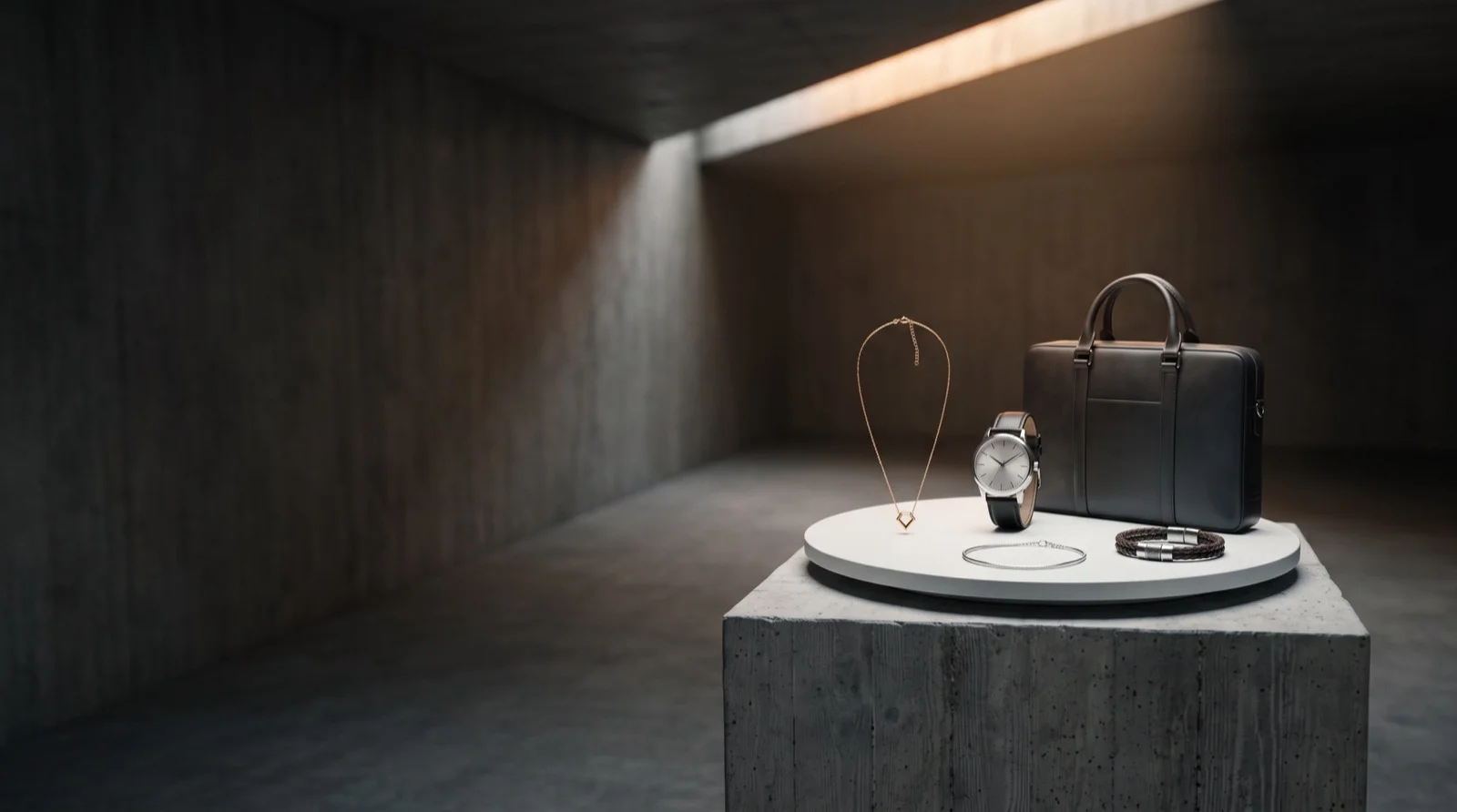
All four groups are small, but they fail in different ways: jewelry and watches through reflections and dust, eyewear through lens glare and transparent frames, and boxes and pouches through texture that looks flat under soft light.
Across the 4 groups in our data, the typical longest side runs from under 5 cm to 30 cm, and weights from under 0.5 kg to 2 kg. Surfaces by number of groups: mirror (3), satin (1). The handling notes that recur most are fragile (3 of 4); open and closed (2 of 4).
| Group | Typical size | Weight | Surface | Handling | Best-fit machines |
|---|---|---|---|---|---|
| Jewelry | up to 5 cm | up to 0.5 kg | mirror, mixed | fragile, many parts | CASE 850, C850, CL850 |
| Watches and watch straps | up to 30 cm | up to 0.5 kg | mirror, mixed | fragile | CASE 850, C850, CL850 |
| Glasses, sunglasses and frames | up to 30 cm | up to 0.5 kg | mirror, transparent | fragile, open and closed | CASE 850, C850, CL850 |
| Jewelry boxes, pouches and findings | up to 30 cm | up to 2 kg | satin | open and closed | CASE 850, C850, CL850 |
Which Setup for Which Product
| Product | Setup | Machines |
|---|---|---|
| Jewelry | Light tent on the 850 mm glass, clear supports, a small hard light for stones, and macro close-ups with focus stacking. | CASE 850, C850, CL850 |
| Watches and watch straps | The same tent with the dial set to a fixed time, the crystal angled away from the key light, and close-ups of the dial and the clasp. | CASE 850, C850, CL850 |
| Glasses, sunglasses and frames | Glass plate with light from below and lenses angled away from the key light; front, three-quarter, and side views. | CASE 850, C850, CL850 |
| Jewelry boxes, pouches and findings | Soft side light for velvet and leather texture, with open and closed states from one position. | CASE 850, C850, CL850 |
PhotoRobot Machines by Size
PhotoRobot shoots the smallest items here, jewelry; watches and watch straps; jewelry boxes, pouches and findings, on the 850 mm tables; the 1,300 mm glass of the C1300 and CL1300 and the FRAME are meant for larger products.
- Up to 5 cm (smallest items): Jewelry. Recommended: CASE 850, C850, and CL850.
- Up to 30 cm: Glasses, sunglasses and frames. Recommended: CASE 850, C850, and CL850.
- Up to 30 cm (smallest items): Watches and watch straps; jewelry boxes, pouches and findings. Recommended: CASE 850, C850, and CL850.
Limits and What to Check
- Jewelry and watches are photographed on the 850 mm tables; they are never shown on the 1,300 mm glass of the C1300 or CL1300 or on the FRAME.
- Macro work leaves very little depth of field; check sharpness across the whole piece, not only at the front.
- Worn shots need a model or a form; plan them as a separate setup from the turntable work.
Next Step
Start with the largest product you plan to shoot from this guide, typically jewelry boxes, pouches and findings at up to 30 cm: enter its size in the Sharp Zone Planner to see whether it stays sharp through a full spin and which camera distance and aperture that needs.
For the light, compare Broncolor Strobes and FOMEI LED Roll Panels on the studio lighting page. Broncolor Strobes keep the same color balance at every power level, which matters when you switch between bright metal and darker stones or acetate frames; the LED Roll Panels give a background that stays even behind transparent lenses.
Then send a short list of the jewelry, watches and eyewear you plan to shoot, with the largest and the heaviest piece, the shots you need, and your monthly volume, to PhotoRobot sales; they confirm the machine and the lighting kit before you order.