What Sets Medical and Care Equipment Apart
Medical and care equipment is bought by patients, carers, and clinical buyers who need to understand exactly what they are getting: how a device is assembled, how big it is, which parts are included, and how it is used. Mobility aids, compression wear, pacifiers, syringes, pill organizers, and feeding pumps range from tiny disposable parts to long, adjustable frames. The images must look clean and precise, and they must not suggest a use the product is not approved for.
The Common Baseline
Preparation
Use new, sealed, or freshly cleaned products and handle them with gloves. Assemble devices as the instructions show, and lay out kits so every included part is visible and countable. Keep needle guards and caps on sharp parts until the shot. Agree with the client which claims and use situations may be shown, since medical products often carry regulatory limits on marketing.
Light
Clinical products look best in even, clean light on a white background, without strong shadows or colored light. Satin plastic housings and tubing need a soft key and a fill so labels and scales read clearly.
Glossy and transparent parts, such as syringes, pacifiers, and pump bags, need light from behind or below so scales and volumes stay readable and the edges do not disappear against white.
Shots
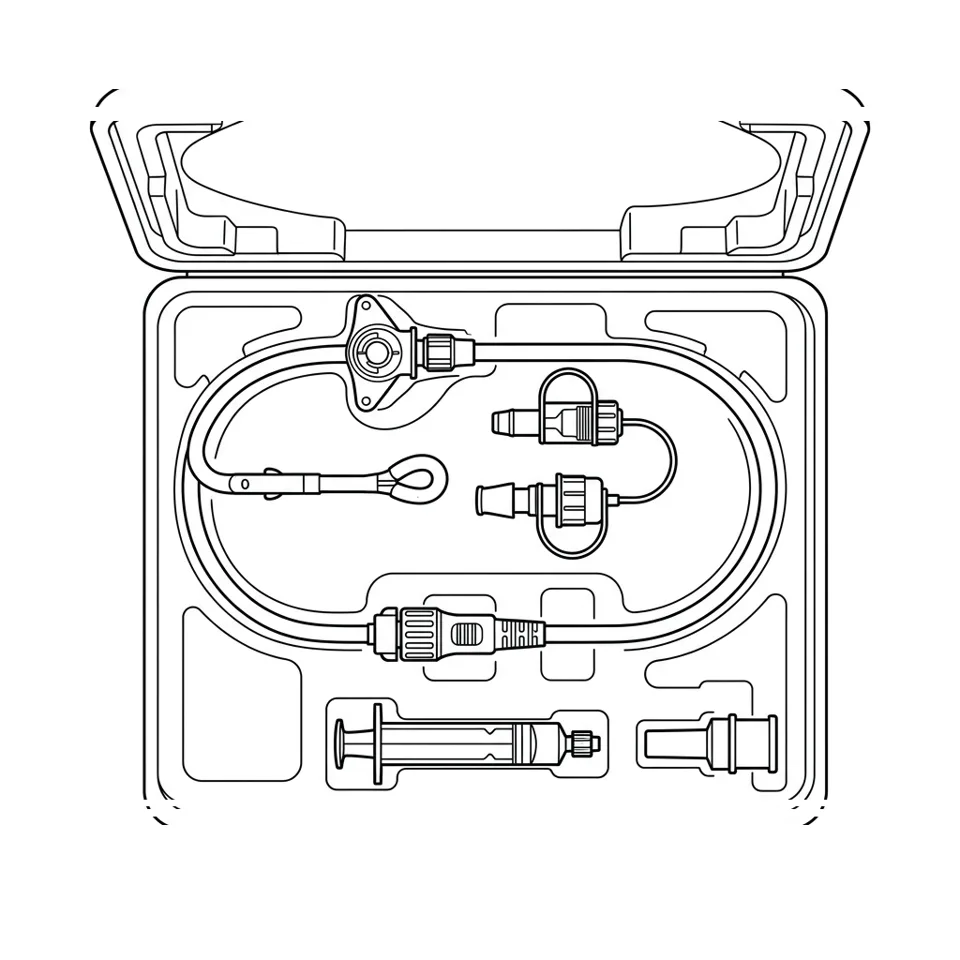
Plan a front packshot on white, a top-down view of kits with every part laid out, close-ups of scales, connectors, and labels, and an in-use or context shot that shows how the product is used, with consent from anyone who appears. Mobility aids and pumps also suit a 360-degree spin.
How the Groups Differ
The groups differ in size and in how much the buyer needs to see inside the pack: mobility aids are long and adjustable, foot care and compression wear are soft goods, and baby care, dosing aids, and clinical devices are small, multi-part kits.
Across the 5 groups in our data, the typical longest side runs from under 5 cm to 1.5 m, and weights from under 0.5 kg to 40 kg. Surfaces by number of groups: satin (2), gloss (2), matte (1). The handling notes that recur most are many parts (4 of 5).
| Group | Typical size | Weight | Surface | Handling | Best-fit machines |
|---|---|---|---|---|---|
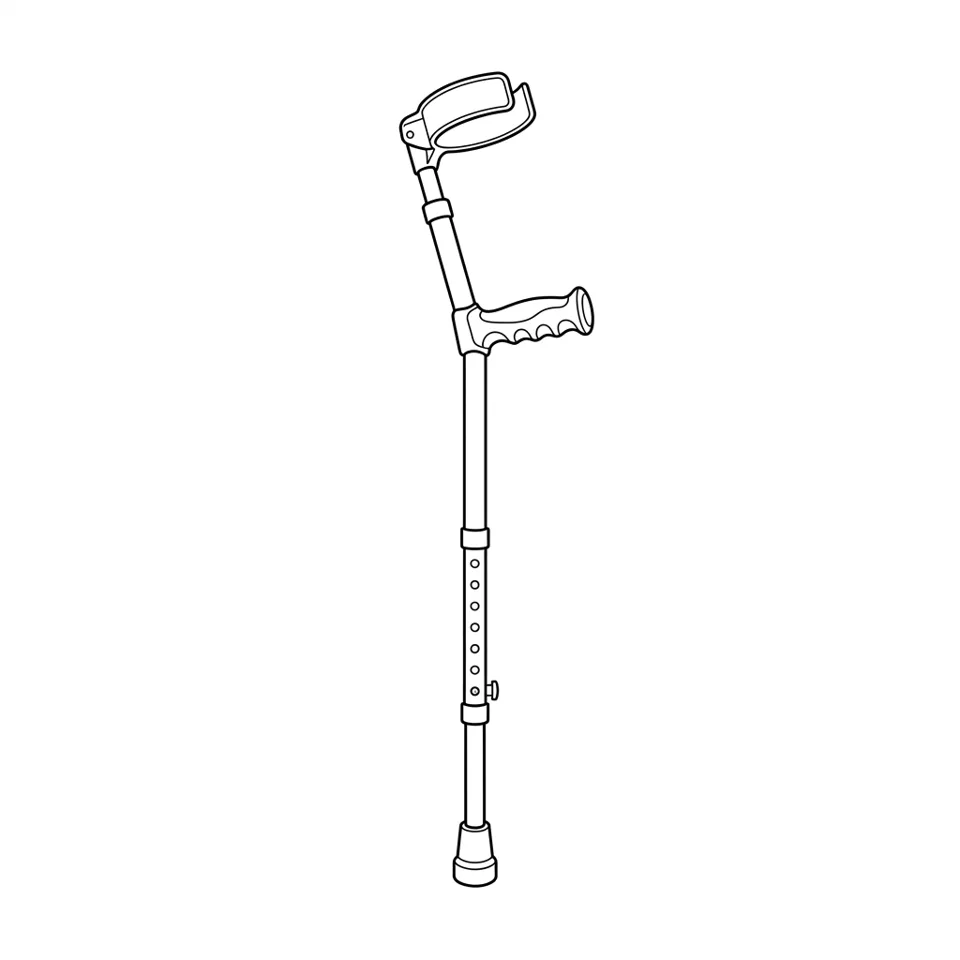
| Mobility and daily-living aids | 5 cm to 1.5 m | up to 40 kg | satin | long, needs support, many parts | CUBE COMPACT, CL850, CUBE |
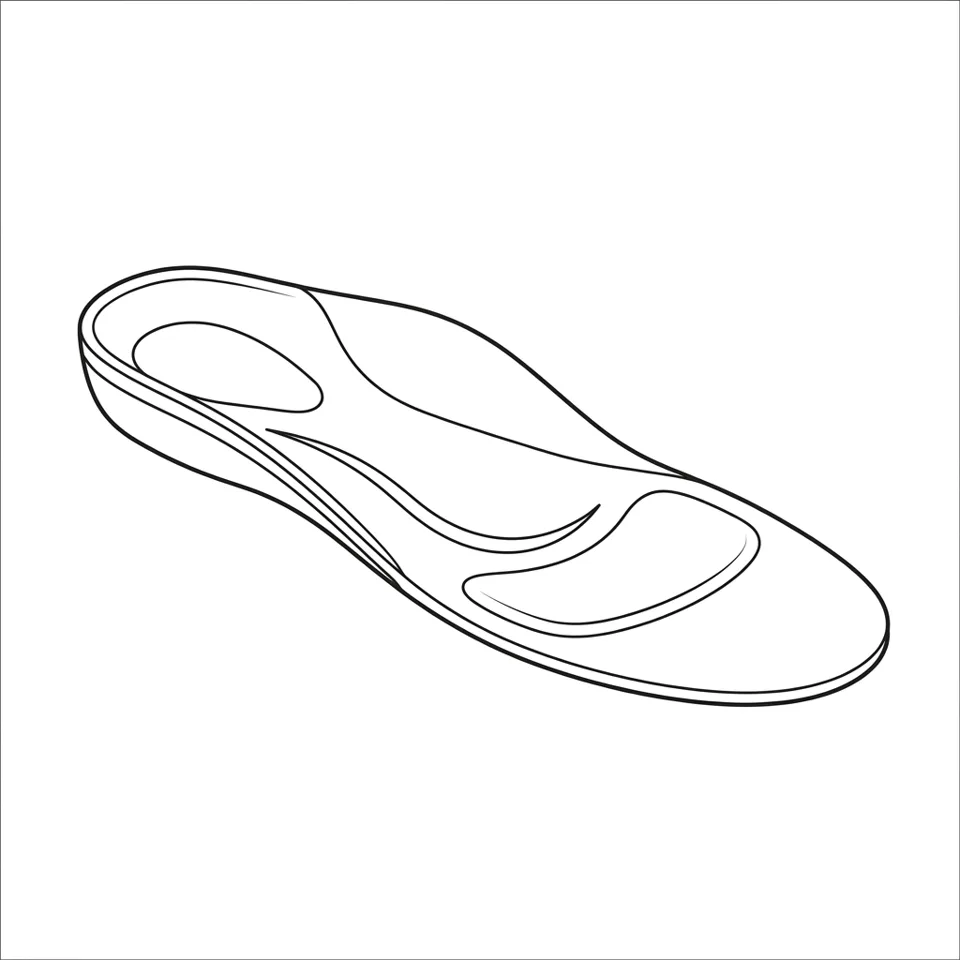
| Foot care, compression wear and orthopedic shoes | 5 cm to 80 cm | up to 2 kg | matte | soft | CUBE COMPACT, CASE 850, C850, CL850, CUBE |
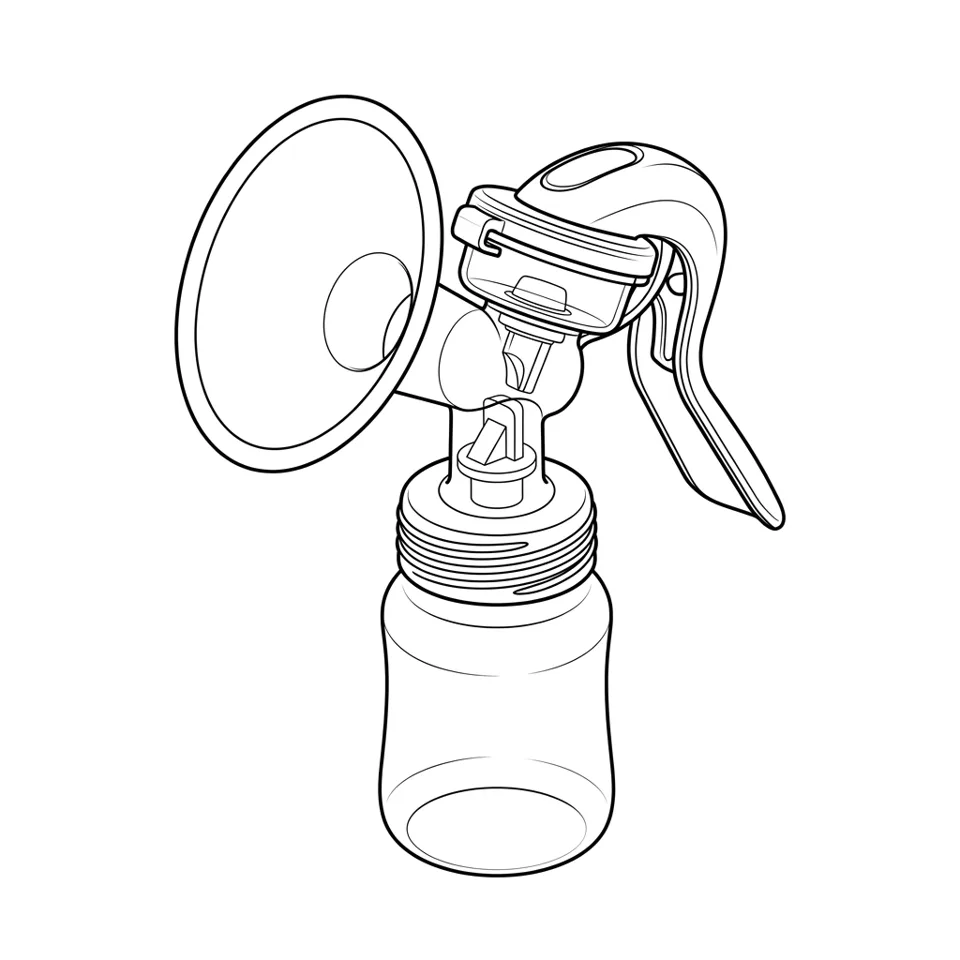
| Baby health, pacifiers and breast pumps | up to 30 cm | up to 2 kg | gloss, mixed | food-safe, many parts | CASE 850, C850, CL850 |
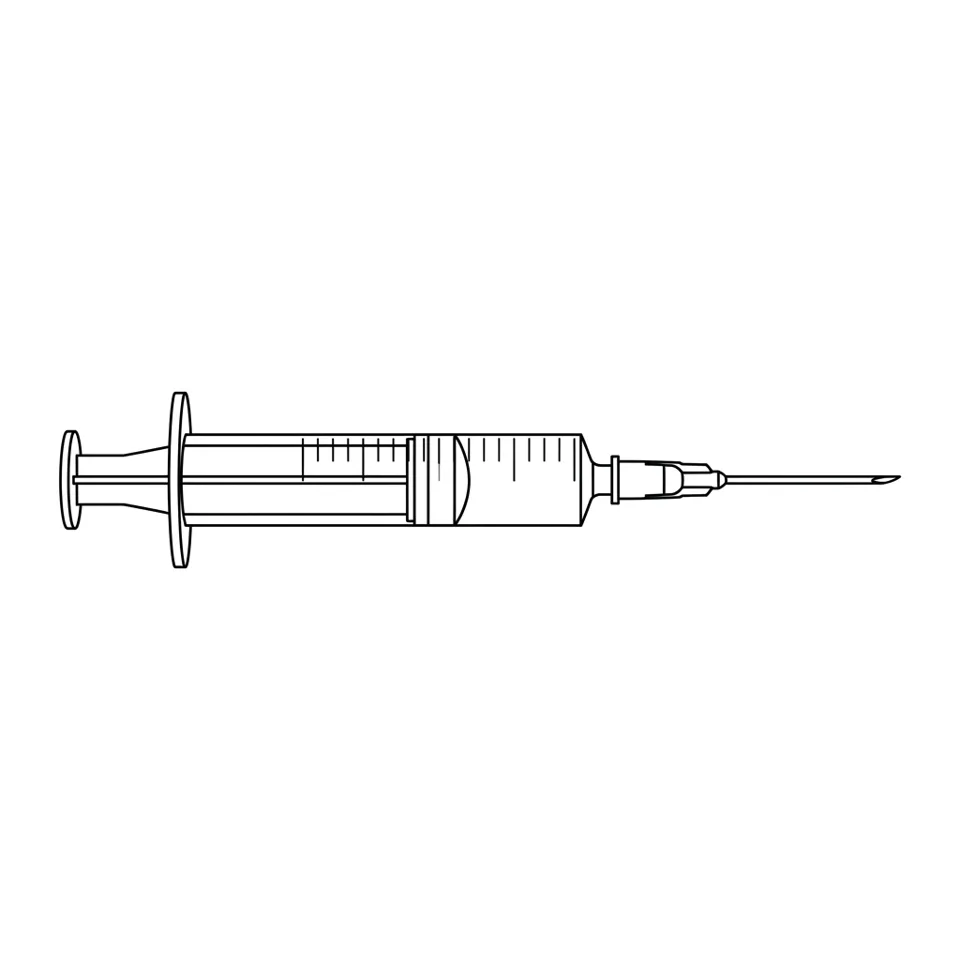
| Syringes, pill organizers and dosing aids | up to 30 cm | up to 0.5 kg | gloss, mixed | sharp, many parts | CASE 850, C850, CL850 |
| Feeding pumps, tubes and medical devices | 5 cm to 80 cm | up to 20 kg | satin, mixed | many parts, cord or battery | CUBE COMPACT, CASE 850, C850, CL850, CUBE |
Which Setup for Which Product
| Product | Setup | Machines |
|---|---|---|
| Mobility and daily-living aids | Turning Platform or a large plate for long frames, a spin at a fixed height setting, and close-ups of adjusters and tips. | CUBE COMPACT, CL850, CUBE |
| Foot care, compression wear and orthopedic shoes | Compression wear on a form or laid flat with soft light for fabric texture; orthopedic shoes shot like footwear. | CUBE COMPACT, CASE 850, C850, CL850, CUBE |
| Baby health, pacifiers and breast pumps; syringes, pill organizers and dosing aids | Compact glass table with light from below for scales and transparent parts, and kits laid out top-down. | CASE 850, C850, CL850 |
| Feeding pumps, tubes and medical devices | The assembled device and a layout of its parts, close-ups of connectors and labels, and in-use shots only as approved. | CUBE COMPACT, CASE 850, C850, CL850, CUBE |
PhotoRobot Machines by Size
- Up to 30 cm: Baby health, pacifiers and breast pumps; syringes, pill organizers and dosing aids. Recommended: CASE 850, C850, and CL850.
- 5 cm to 80 cm: Foot care, compression wear and orthopedic shoes; feeding pumps, tubes and medical devices. Recommended: CUBE COMPACT, CASE 850, C850, CL850, and CUBE.
- 5 cm to 1.5 m: Mobility and daily-living aids. Recommended: CUBE COMPACT, CL850, and CUBE.
Limits and What to Check
- Images must not suggest uses or claims the product is not approved for; check with the client before shooting in-use scenes.
- Scales, volumes, and size markings must stay legible; they are often what clinical buyers check first.
- Long mobility aids may not fit a tabletop spin; our data recommends the Turning Platform for them.
Next Step
Start with the largest product you plan to shoot from this guide, typically mobility and daily-living aids at 5 cm to 1.5 m: enter its size in the Sharp Zone Planner to see whether it stays sharp through a full spin and which camera distance and aperture that needs.
For the light, compare FOMEI Low LED and FOMEI LED Roll Panels on the studio lighting page. Even, clean light on white is the core of medical product images: the FOMEI Low LED kit covers everyday packshots affordably, and the LED Roll Panels keep the white background even behind transparent parts.
Then send a short list of the medical and care equipment you plan to shoot, with the largest and the heaviest piece, the shots you need, and your monthly volume, to PhotoRobot sales; they confirm the machine and the lighting kit before you order.